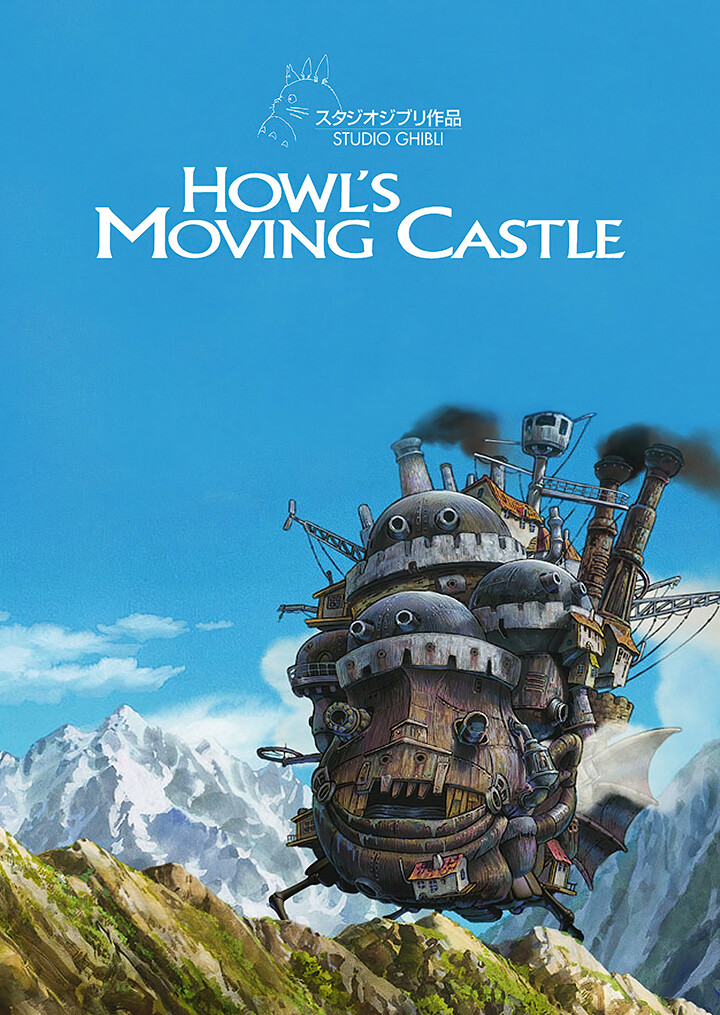
Hayao Miyazaki's Howl's Moving Castle stands as a testament to the director's signature blend of whimsy and profundity, showcasing his adept storytelling abilities that have enchanted audiences for decades. Released in 2004, this animated feature emerges during a significant period for Studio Ghibli, cementing its reputation as a powerhouse of creativity in world cinema. Rooted in British author Diana Wynne Jones's novel, Miyazaki’s adaptation retains the essence of fantasy while imbuing it with his unique visual language and thematic focus, exploring the multifaceted nature of identity, transformation, and the impacts of war. This film is often seen as a culmination of Miyazaki’s concerns about the human condition, making it a pivotal entry within his illustrious body of work.
Critics have lauded Howl's Moving Castle for its spellbinding animation and intricate world-building, which transports viewers into a kaleidoscopic realm that feels both enchanting and surreal. The lavish hand-drawn visuals are masterfully executed, creating a vivid tapestry that captivates the imagination. However, sentiments about pacing can be polarizing; some find the film’s meandering narrative frustratingly overlong, while others embrace its expansive nature as an invitation to fully immerse oneself in its fantasy. Central to the narrative is the theme of transformation, both physical and emotional, epitomized by Sophie, whose journey reflects her struggle with identity amidst the chaos of war.
The war setting serves as a backdrop that challenges the characters' perceptions of love and self-worth, prompting profound existential questions. As Sophie navigates her magical yet burdensome relationship with the titular wizard, Howl, the film delves into the intricacies of love's power to heal and to transcend. Miyazaki’s depiction of love against a landscape marred by conflict invokes a sense of longing that is achingly authentic. Critics often note that the film’s Treatment of love is both tender and complex, a blend that sets it apart from traditional romantic narratives within animated cinema.
Miyazaki’s work often dwells in the whimsical, yet Howl's Moving Castle is also a reflection on the heartbreaking realities of human existence, touching upon themes that resonate deeply in a modern, fraught world. The film's consistent motifs of transformation echo through its characters, many of whom are trapped by their identities or the burdens they carry. While some critics label aspects of the film as oblique or even disappointing, the prevailing sentiment remains one of admiration for its daring visual invention and emotional depth.
As audiences continue to engage with Howl's Moving Castle, its legacy as a hallmark of animated cinema endures, bridging gaps between fantastical storytelling and insightful commentary on human experience. It is a film that invites viewers to find their own meanings in its enchanting visuals and layered narrative, ensuring its place as a beloved classic. In doing so, Miyazaki not only captivates but also challenges audiences to reflect on the essence of love, identity, and transformation, themes that remain ever-relevant in a world still grappling with the specters of conflict.