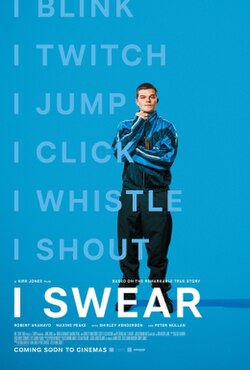
In I Swear, director Kirk Jones embarks on a heartfelt exploration of Tourette syndrome, weaving a narrative that is both engaging and enlightening. Known for his ability to blend humor with heartfelt storytelling, Jones has crafted a film that stands out in his oeuvre, further solidifying his reputation as a filmmaker who focuses on nuanced character studies and social commentary. This film marks a significant entry in contemporary cinema, where representation of disabilities is increasingly demanded yet often mishandled. Here, Jones provides a clarifying lens on a condition that is frequently misunderstood, encouraging audiences to confront their biases while appreciating the humanity at the film's core.
Critical consensus highlights I Swear as a compassionate examination of personal resilience and community building. The film’s protagonist, who navigates the challenges of living with Tourette syndrome, embodies a spirit of activism and personal growth that resonates deeply with viewers. Critics laud its mix of humor and pathos, noting that it succeeds in embracing the comedic elements of life’s absurdities while simultaneously shedding light on serious disability representation. Through laughter, the film dismantles stereotypes and fosters empathy, which is increasingly pertinent in today's discourse around mental health and disability advocacy.
Moreover, the film's tone is described as affable and warm, with Jones' approach striking a balance that feels both authentic and relatable. This is not mere entertainment; it is a call for understanding and acceptance, urging audiences to see beyond the surface of difference and appreciate the rich tapestry of personal history that shapes individual identity. Critics describe the narrative as thoughtful and sympathetic, offering an engaging glimpse into the trials and triumphs of the protagonist’s life.
Furthermore, I Swear excels in its representation, presenting the complexities of disability without resorting to sentimentality or stereotypes. Jones' direction allows the characters to breathe, rooted firmly in their reality, which evokes a strong sense of connection and belonging. Through these relatable characters, the film builds a community of support and acceptance that is both necessary and inspiring in today’s societal landscape.
Ultimately, I Swear is more than just a film about Tourette syndrome; it is a celebration of personal acceptance, resilience, and the power of humor to bridge divides. As we face a world fraught with division and misunderstanding, Jones' film reminds us of our shared humanity and the strength we can draw from our communities. With its blend of compassion, humor, and engaging storytelling, I Swear is poised to leave a lasting impact on audiences, inviting a renewed dialogue on disability awareness and representation.