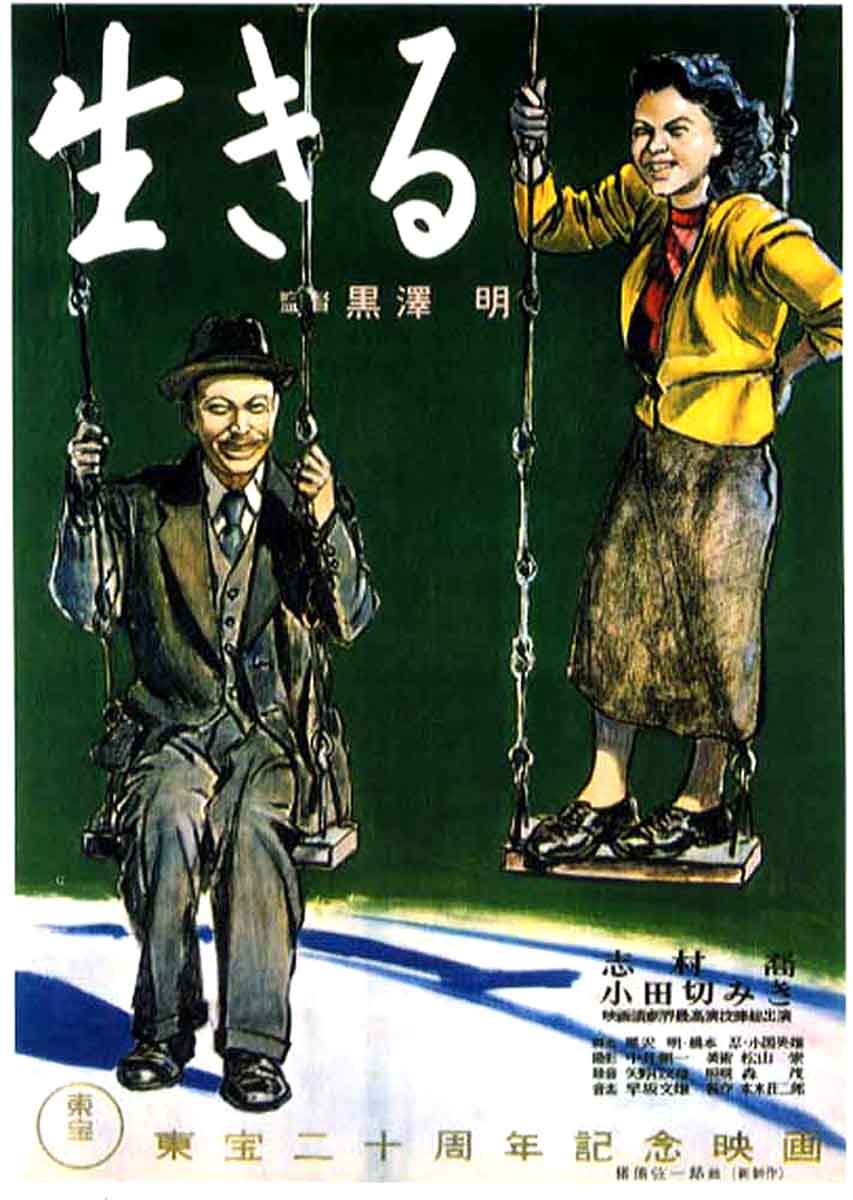
Akira Kurosawa’s Ikiru (1952) stands as a cornerstone of world cinema, marking a high point in the director’s illustrious career. Known for driving narratives that explore the human condition, Kurosawa delivers a poignant examination of life, death, and the bureaucracy that can stifle personal agency and meaning. This film, emerging during a transformative period in post-war Japan, resonates with universal themes of mortality and the quest for significance, which continue to inspire filmmakers and audiences alike. In Ikiru, Kurosawa showcases not only his storytelling mastery but also his profound humanistic sensitivity, creating an intricate tapestry that reveals the struggle to embrace life amidst the relentless tide of societal structure.
At the heart of Ikiru is Kanji Watanabe, a dull and weary bureaucrat who realizes he is dying from stomach cancer. Watanabe’s journey becomes a powerful narrative of self-discovery and redemption, illuminating the regret that accompanies a life spent in the shadows of a monotonous existence. Kurosawa uses Watanabe’s existential crisis to critique the dehumanizing nature of bureaucracy, illustrating how systems often neglect the individuality and emotional depth of the people within them. The film’s structure, shifting between the mundane and the profound, invites viewers to reflect on their own lives and the legacies they wish to leave behind, making it a deeply thought-provoking experience.
Critics have repeatedly praised Ikiru for its melancholic yet inspiring portrayal of personal transformation. Through Watanabe's resolve to create a park for children, Kurosawa explores the duality of hope and despair inherent in the human experience. This quest for meaning in the face of imminent mortality encapsulates a universal truth: life is fleeting, and it is the choices we make that ultimately define us. By engaging with themes of redemption and purpose, Kurosawa crafts a narrative that resonates on an emotional level, compelling viewers to confront their own mortality and the imprints they leave on the world.
Cinematically, Ikiru combines somber aesthetics with innovative storytelling techniques. Kurosawa's use of contrasting light and shadow enhances the film's emotional weight, creating a visual dialogue that complements the narrative's thematic depth. The direction is complemented by Takashi Shimura’s heartfelt performance as Watanabe, whose nuanced portrayal encapsulates the essence of the film’s exploration of human vulnerability and resilience. As a socio-political critique wrapped in a deeply personal tale, Ikiru not only reflects the specific anxieties of its time but also engages with timeless questions of existence, making it a work of art that feels as relevant today as it did at its inception.
In conclusion, Ikiru remains a seminal film within Akira Kurosawa’s impressive filmography and a landmark of Japanese cinema. Its exploration of bureaucracy, mortality, and the search for meaning transcends cultural and temporal boundaries, continuing to invoke introspection and inspiration among audiences around the globe. The film invites us to consider what it truly means to live and to leave a legacy in a world often governed by indifference. Ultimately, Ikiru serves as both a cautionary tale about the perils of a life half-lived and as a tender reminder of the redemptive power of hope and connection.