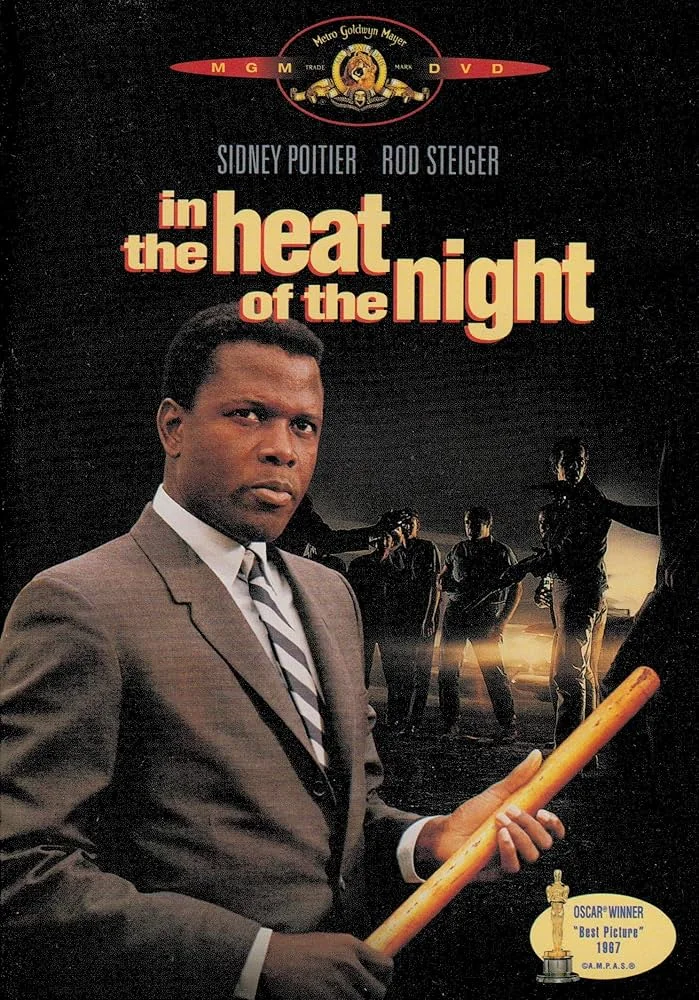
In the Heat of the Night, directed by Norman Jewison and released in 1967, stands out as a pivotal film in American cinema, significant for its frank exploration of racial dynamics during a volatile period in American history. Set against the backdrop of the civil rights movement, this murder mystery intertwines the themes of Southern racism with a gripping narrative that captivates audiences while provoking critical thought about societal prejudices. Jewison's direction, marked by elegance and confidence, serves well to underline the tense atmosphere that permeates the story, reflecting the stark realities of Southern prejudice that continue to resonate today.
The core of In the Heat of the Night revolves around the tense collaboration between an African American detective, Virgil Tibbs, played with quiet strength by Sidney Poitier, and a white Southern police chief, Bill Gillespie, portrayed by Rod Steiger. Their relationship evolves as they navigate the complexities of a murder investigation in a racially charged environment. This dynamic not only propels the plot forward but also serves as a lens through which the film examines the harsh realities of Southern justice, showcasing the deeply ingrained racial divides that affect interpersonal relationships and societal interactions. Reviews have consistently lauded the film for its assertive approach to its themes, delivering a narrative that is both gripping and wise.
Critics have noted the film's understated yet impactful storytelling, marked by unexpected twists that keep viewers engaged while engaging them in deeper discourse about the nature of racism and justice. Jewison's direction promises to deliver an experience that is intense but never sensationalized, imbuing the performances with an authenticity that enhances the film's message. The elegance of the cinematography and score further complements this atmospheric depth. The film refuses to shy away from the contrasting realities faced by its protagonists, which resonate with the audience, making their journey not just one of investigation but also a profound commentary on the human condition.
In terms of critical consensus, In the Heat of the Night is revered for its forthright approach to racism and violence, marking it as a significant cultural touchstone in film history. It does not echo the simplistic narratives often found in genre films of the time; rather, it addresses the brutal realities of prejudice with both clarity and depth. The performances are pivotal, particularly Poitier's assertive yet restrained portrayal of Virgil, which disrupts the stereotype of Black men in Hollywood. The film ultimately holds up a mirror to society’s flaws, challenging viewers to reflect on their perceptions of race and justice.
As a testament to Norman Jewison’s remarkable capability to engage with complex social themes without condescension, In the Heat of the Night remains a significant work that continues to evoke discussion surrounding racial relations in America. It serves as a reminder that while progress has been made, the struggle against racial prejudice persists, making the film as relevant today as it was upon its release. This enduring relevance, coupled with its gripping narrative and character depth, solidifies its place in both the canon of American cinema and the broader discourse on race.