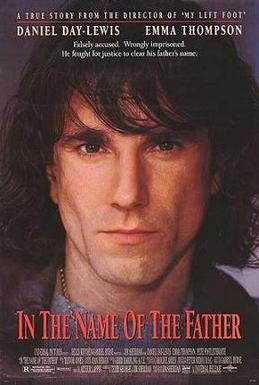
In the Name of the Father, directed by the talented Jim Sheridan, occupies a significant place in the landscape of early 90s cinema, both for its gripping narrative and its poignant exploration of political injustice. This film, based on the true story of Gerry Conlon and the Guildford Four, serves as a powerful legal drama that not only spotlights the harrowing journey of wrongfully convicted individuals but also encapsulates the profound complexities of Irish history and its turbulent relationship with Britain. Sheridan, known for his authentic portrayals of intimate relationships set against broader sociopolitical backdrops, further cements his reputation for tackling controversial subjects in an extraordinarily sensitive way.
Critics have lauded In the Name of the Father for its unforgettable and compelling storytelling, which epitomizes the themes of wrongful conviction and the bonds between fathers and sons. At its core, the film is an intimate exploration of the devastating effects of a coerced confession, thrusting viewers into the emotional turmoil faced by the protagonist, played brilliantly by Daniel Day-Lewis, and his father, portrayed by Pete Postlethwaite. Their relationship is a poignant anchor in the narrative, illustrating the deep connections and shared pain that arise in the face of systemic injustice, while also serving as a critique of the legal institutions that failed them.
The political implications of the film extend far beyond the individual story it tells; In the Name of the Father serves as a vivid reflection of the broader historical context tied to the Irish Republican Army (IRA) and the political climate of the time. This aspect of the film enhances its impact, as it engages viewers in the realities of historic oppression and the fight against arbitrary power, a theme that resonates with audiences, making the film rousing and relevant even decades after its release. Sheridan’s fair-minded approach to the narrative avoids sensationalism, instead presenting a nuanced perspective that invites empathy and reflection.
The critical consensus underscores the beautiful cinematography and impressive performances that breathe life into a story that is both heartbreaking and empowering. Reviewers have described the film as harrowing yet beautiful, noting how it challenges viewers to confront uncomfortable truths within the legal system and the societal structures that govern it. This balance of personal and political struggles marks In the Name of the Father as a significant legal drama in cinema history, a film that is not only engaging but also thought-provoking, compelling us to acknowledge the grievances of the past while still resonating today. Ultimately, Jim Sheridan delivers an unforgettable cinematic experience, one that harnesses the power of narrative to inspire both understanding and action.