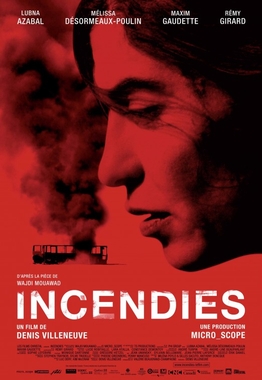
Denis Villeneuve’s Incendies stands out as a powerful entry in his acclaimed filmography, further cementing his reputation as a masterful storyteller. Released in 2010, this gripping adaptation of Wajdi Mouawad’s play utilizes stark cinematic expression to explore the tumultuous landscapes of memory, conflict, and familial revelations. Situated at a time when global interest in international conflicts was growing, the film delves into the deeply personal and the politically charged, revealing how war and trauma reverberate across generations and impact individual identity. Villeneuve’s ability to merge these broad themes with intimate storytelling has made Incendies a defining work in both his career and the canon of contemporary cinema.
Critics have frequently lauded Incendies for its ability to weave complex themes of family secrets, identity, and heritage into a haunting narrative. The film follows the journey of twin siblings, who, after the death of their mother, embark on a quest to uncover her buried past in a war-torn Middle Eastern country. This journey is not merely geographical; it is one of personal revelation and exploration of painful histories that challenge their understanding of self and family. The emotional gravity of Incendies is further heightened by its exploration of survival in the face of civil war and personal trauma. Villeneuve constructs a narrative that is both arresting and desolate, compelling the audience to confront uncomfortable truths about the nature of violence and its lingering effects.
The film makes effective use of atmospheric settings and a chilling score that envelop the viewer in its narrative world. Villeneuve’s direction is marked by a muscular visual style that emphasizes the raw emotions at play. Critics have highlighted the shattering impact of the film; moments of beauty become interwoven with themes of loss and destruction, reflecting the stark juxtaposition of human resilience against the backdrop of brutality. This duality creates a pathos-filled experience for the audience, inviting deep engagement with not just the characters on screen, but with the realities of cultural and historical turmoil.
Incendies challenges viewers with its intricate structure and demand for emotional investment. It is a film that demands to be dissected, revealing layers of meaning that speak to the broader human condition amid war and conflict. The flares of transgressive themes, such as the exploration of maternal love against the horror of war, force audiences to confront their own perceptions of morality and legacy. The film offers not merely a narrative arc, but a profound inquiry into how memory shapes identity, making its exploration of the mundane and the obscene all the more powerful.
Moreover, the emotional weight carried by Incendies resonates well beyond its running time, leaving a lasting impression that speaks to the endurance of trauma and the complexities of family. By the film’s conclusion, viewers are not just witnesses to a story, but participants in a haunting meditation on history, identity, and the cycles of violence that define human existence. This compelling blend of cinematic artistry and heartfelt storytelling ensures that Incendies remains not just a film to watch, but a crucial work of art that continues to inspire profound reflections on the interwoven nature of personal and collective histories.