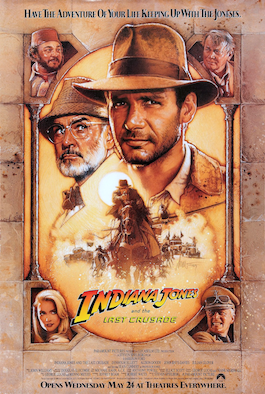
In 1989, Steven Spielberg, a master of cinematic storytelling, returned to the beloved archeologist Indiana Jones for what would become the third film in the iconic franchise. Indiana Jones and the Last Crusade was released at a time when adventure films were gaining significant traction, blending the excitement of treasure hunting with rich historical narratives. This installment not only capitalized on the public's affection for the character but also brought an emotional depth through the exploration of the fraught father-son relationship between Indiana and his father, Professor Henry Jones Sr., played with charm by Sean Connery. The film is often regarded as an apex of Spielberg's directorial prowess, seamlessly combining humor, action, and nostalgic elements that resonate with audiences of all ages.
At its core, Indiana Jones and the Last Crusade embodies themes of adventure and the complexities of familial bonds. The narrative finds Indiana Jones on a quest not only to retrieve the Holy Grail but also to reconcile with his estranged father. This exploration of the father-son dynamic is central to the film's emotional backbone, adding layers to the traditionally action-packed storyline. Critics have noted how this relationship infuses the film with a blend of nostalgia and warmth, allowing audiences to experience a deeper connection with its characters. The humor that punctuates their interactions serves to lighten the weight of their emotional journey, a trademark characteristic of Spielberg's ability to balance drama and levity.
The film is also a vibrant homage to the adventure genre, filled with thrilling set pieces and exhilarating sequences that are stylistically reminiscent of classic cinema while still feeling fresh for its time. Spielberg's relentless desire to create an action-packed experience is evident in every chase scene and narrow escape, crafting moments that have become iconic in their own right. From the treacherous opening sequence to the climax within the catacombs, each moment is designed to delight and surprise, aligning closely with the audience's thirst for adventure. Critics lauded the pacing of the film, noting its ability to maintain high energy while still allowing for heartfelt reflection on the characters’ development.
The nostalgic elements are woven throughout the film's fabric, not just in the story but also through its references and visual style, evoking memories of classic adventure serials. By bringing back familiar themes and motifs, Indiana Jones and the Last Crusade allows audiences to relive the experiences that endeared them to the franchise in the first place. This nostalgia is not merely a tactical maneuver but rather a foundational aspect that speaks to the universality of seeking one's roots and grappling with the past in a personal context.
In summary, Indiana Jones and the Last Crusade stands as a timeless cinematic experience that highlights the enduring relationship between fathers and sons amidst exhilarating adventures. Its mix of humor, action, and heartfelt moments not only solidifies its place in the annals of film history but also reinforces Spielberg's mastery in crafting stories that resonate across generations. The film remains a celebration of the transformative power of adventure and the importance of connection, making it a relevant exploration of the human experience that continues to engage and inspire audiences today.