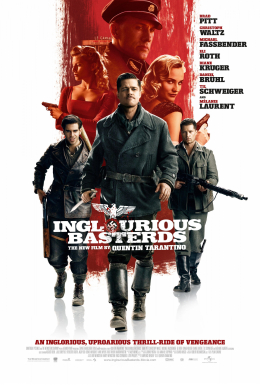
Quentin Tarantino's Inglourious Basterds stands as a landmark entry in both his filmography and the broader landscape of cinematic interpretations of World War II. Released in 2009, the film reflects Tarantino's characteristic audacity and subversive storytelling, blending fact and fiction in a bold narrative about revenge and the impact of violence. With its meticulous attention to dialogue, structure, and genre conventions, the film manages to elicit humor even in its harrowing context, serving as a profound commentary on the nature of war and cinema itself.
The film's critical reception has been largely positive, celebrating its unique blend of historical inaccuracy and genre subversion. Inglourious Basterds invites audiences to reconsider the role of revenge in warfare, highlighting the absurdities and horrors that arise when humanity is stripped away. The film features a cast of complex characters, from the vengeful Jewish soldiers known as the Basterds to the charming yet sinister Nazi officer Hans Landa, played with chilling delight by Christoph Waltz. This ensemble draws attention to the moral complexities of revenge, moving beyond simplistic portrayals of good versus evil.
Central to the film's success is its rich tapestry of communication, where language itself becomes a weapon. Tarantino's multilingual script weaves together English, German, French, and Italian, reflecting the tension and stakes at play during wartime. This emphasis on communication not only propels the plot forward but also serves to highlight the misunderstandings and manipulations that define the characters' interactions. Oddly enough, this focus allows for moments of levity amid the film's intense and often raucous sequences, making it simultaneously entertaining and thought-provoking.
However, some critiques point to a narrative that, while ambitious, may feel overstretched and occasionally dull during longer dialogue scenes. Critics argue this shift can detract from the film's pacing, particularly as it pivots between humor and horror. The film’s audacity, while commendable, sometimes borders on excessive, leading viewers to question its coherence amidst raw entertainment. Still, these flaws do not detract from Inglourious Basterds as a daring and humane exploration of violence, wherein the absurdity of its plot mirrors the very chaos of war itself.
In summation, Inglourious Basterds underscores Tarantino's distinctive voice and his ability to manipulate genre tropes for narrative richness. By embracing historical inaccuracy and humor, the film becomes a platform to explore deeper themes such as the cyclical nature of violence and the morality of revenge. As a modern classic, it invites audiences to reflect on both the history it portrays and the ways we engage with representations of that history in cinema.