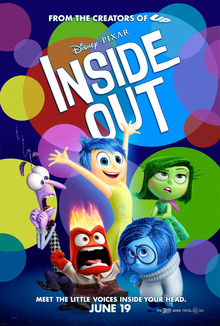
Inside Out, directed by Pete Docter, constitutes a remarkable contribution to the canon of animated films, further solidifying Pixar's reputation as a pioneer in emotionally resonant storytelling. This film, released in 2015, innovatively explores the inner workings of the human mind, a thematic choice that reflects Docter's continued interest in deeply personal narratives. Following his previous successes, such as Monsters, Inc. and Up, Inside Out advances the exploration of emotion and identity, presenting these complex subjects in a visually inventive and imaginative manner. The use of personified emotions, Joy, Sadness, Fear, Anger, and Disgust, offers a fresh lens through which audiences can engage with the challenges of growing up and the multifaceted nature of emotions.
Critics have widely lauded Inside Out for its sophistication and depth, praising its heartfelt depiction of the tumultuous journey through adolescence. The film masterfully captures the intricacies of memory and identity formation as the young protagonist, Riley, grapples with a significant life change. The conflicts between Joy and Sadness serve as a narrative fulcrum, illustrating how these emotions intertwine and influence one's sense of self. This intelligent approach makes the viewer reflect on their own emotional landscapes while simultaneously remaining accessible to younger audiences, establishing a crucial bridge between complexity and simplicity.
One cannot understate the technical achievements of Inside Out, which combines dazzling animation with smart storytelling. The vibrant visuals are both playful and poignant, immersing the viewer in a fantastical representation of Riley's mind that simultaneously feels familiar and magical. The design choices for the landscapes of memory and imagination are strikingly inventive, with each element carefully crafted to evoke specific emotional responses. This attention to detail enhances the film's overall impact, suggesting that deep feelings and memories form the bedrock of who we are.
The film’s exploration of adolescence and the consequential changes it brings resonates strongly with both children and adults alike. As Riley experiences upheaval, the narrative poignantly showcases how transitioning between emotional states is a natural part of growing up. It challenges the reductive notion that joy must reign supreme, effectively communicating that sadness has an indispensable role in shaping identity. By establishing this emotional complexity, Inside Out invites viewers to embrace the full spectrum of their feelings, fostering a deeper understanding of oneself and others.
Ultimately, Inside Out stands as a testament to Pixar's capacity for innovation and emotional storytelling within the animated genre. It captivates audiences not only through its vibrant and imaginative visuals but also through its sophisticated narrative that addresses profound themes of memory, identity, and emotional resilience. As a piece of cinema, it signifies a heartfelt reminder that the journey through adolescence, and life itself, is marked by an ever-evolving relationship with our emotions, enriching not just individual identities, but collective human experience.