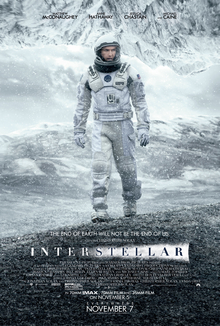
Christopher Nolan's Interstellar stands as a pinnacle of modern science fiction, weaving together not just the mechanics of space travel but also the intricacies of human experience. Released in 2014, the film emerged from the director's ethos of exploring complex themes such as time, memory, and love, all against the backdrop of high-stakes engineering and cosmic exploration. It follows a group of astronauts, including former pilot Cooper, as they navigate through wormholes and distant planets in search of a new home for humanity. This ambitious narrative intertwines scientific inquiry with existential musings, establishing Interstellar as a monumental entry in both Nolan's repertoire and the genre as a whole.
The critical consensus surrounding Interstellar highlights its boldness and grandeur. Critics have lauded its emotional depth, not only immersing audiences in the visually stunning depictions of space but also grounding the story in powerful familial bonds. The relationship between Cooper and his daughter Murph resonates throughout the narrative, driving the plot while also showcasing the human instinct to survive and connect with loved ones. This thematic duality of human survival intertwined with the exploration of the cosmos creates a reflective space where viewers are encouraged to grapple with their own experiences of love and loss.
Nolan's vision for Interstellar is characterized by its ambition, both in scope and emotional resonance. The film ventures into the scientific theories of Kip Thorne, a Nobel laureate who served as an executive producer, ensuring that the depiction of black holes and time dilation was not only imaginative but grounded in rigorous astrophysical concepts. This melding of rigorous science with heartfelt storytelling elevates Interstellar beyond conventional sci-fi narratives, expanding its reach from the technical to the deeply personal.
Once again, Nolan takes on the challenge of crafting a narrative that, while grand in its setting, maintains warmth and relatability through character-driven arcs. The film's exploration of family dynamics in the face of impending doom serves as its emotional core. This resonance has been noted by audiences and critics alike, who appreciate how the stakes of space exploration mirror the intimate struggles of interpersonal relationships. It is through this lens that Interstellar can be considered not only a tale of humanity's quest for survival but also a meditation on what it means to love and be loved in the vastness of the universe.
Overall, Interstellar stands as a testament to Nolan's poise as a filmmaker capable of balancing innovation with emotional gravitas. Its cinematic achievements, combined with the profound introspection of its themes, position it as a significant work that echoes beyond its release. Through artful storytelling and epic visuals, Interstellar engages audiences to reflect on the very nature of existence, encapsulating a universal journey that is as much about the exploration of space as it is about the exploration of the human heart.