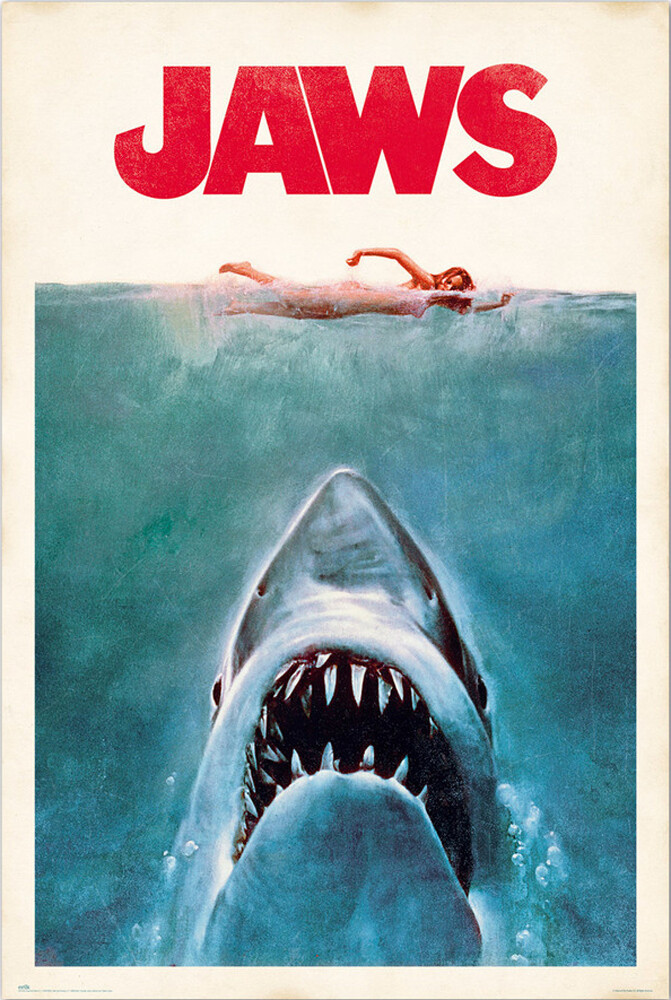
In 1975, the landscape of American cinema was irrevocably altered with the release of Jaws, a film that not only showcased the directorial prowess of Steven Spielberg but also redefined the action thriller genre. Jaws emerged from the existential fears of the post-Vietnam era, tapping into a deeper cultural unease that resonated throughout the pre-bicentennial angst of the time. This masterclass in filmmaking not only highlighted the potential of suspense and horror but also illuminated the dynamics of community and vulnerability in the face of an unseen terror lurking just beneath the water's surface. Spielberg's deft touch in character development fostered a strong emotional connection with audiences, enhancing the film’s ability to elicit both fear and empathy.
Critically, Jaws has been lauded for its sensationally effective approach to suspense building, intertwining gripping action sequences with moments of deep human reflection. The character dynamics between the determined Chief Brody, the eccentric shark expert Matt Hooper, and the grizzled fisherman Quint create a palpable tension that mirrors the impending threat they face. The film excels in evoking horror not only through its gruesome content but also via its chilling orchestral score, composed by John Williams, which has become an indelible part of popular culture. This combination of well-crafted suspense and memorable character arcs placed Jaws firmly in the pantheon of cinematic classics.
As an adaptation of Peter Benchley's novel, Jaws takes liberties that enhance its narrative while maintaining the core themes of human struggle against nature. Critics have noted the film's shift from a more straightforward horror narrative to a multi-faceted exploration of fear, courage, and the human condition. It is this balance that allows Jaws to transcend its origins as a thriller, becoming a profound commentary on the fragility of life and community when faced with the unknown. It effectively positions the shark not just as a killer but as a catalyst for the characters' moral and psychological journeys.
Furthermore, the film's box-office success laid the groundwork for the blockbuster era, transforming how films were marketed and distributed. With its saturation distribution, Jaws led a new wave of summer blockbusters, cementing Spielberg's place as a pioneering figure in the industry. The film's impact on Hollywood goes beyond commercial success; it has shaped the way filmmakers approach suspense and audience engagement in their storytelling. Spawning numerous sequels and imitation thrillers, Jaws remains a touchstone for aspiring filmmakers and a benchmark against which subsequent films in the genre are measured.
Ultimately, Jaws is more than just a horror film; it is a thrilling commentary on human relationships, societal fears, and the unpredictable face of nature. Its ability to resonate with audiences on both emotional and visceral levels ensures its place as a suspense classic that continues to captivate and terrify viewers decades after its original release. As viewers confront the grotesque imagery and haunting score, they are reminded of the film's broader implications: the horrors that lie beneath the surface, both in the ocean and within our own psyches.