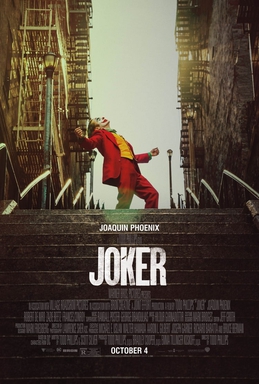
In 2019, Todd Phillips directed Joker, a film that sparked intense discussion and polarized audiences and critics alike. Stepping away from the conventional superhero genre, Phillips aimed for a gritty psychological thriller that delves deep into the life of Arthur Fleck, a failed stand-up comedian whose gradual descent into madness transforms him into the iconic supervillain. This film marks a significant departure for Phillips, who is better known for his work in comedy, and showcases his ambition to blend dark themes with social commentary, creating a piece that is both provocative and unsettling.
The film's themes of alienation, mental health struggles, and societal decay resonate strongly throughout. Arthur Fleck's journey reveals the profound isolation he experiences in a world that seems to neglect and despise him. Critics have noted that Joker invokes sympathy for a character whose violent actions stem from a deep-seated rejection by society. The film serves as a raw exploration of how mental illness can warp an individual's mind when it is overlooked or stigmatized. Phillips’ take on the character uncovers a backstory that highlights not only personal traumas but also systemic failures, making it a unique commentary on the relationship between society and the individuals it marginalizes.
Much of the critical consensus revolves around Joaquin Phoenix's performance, which has been described as mesmerizing and powerful. Phoenix fully embodies the tortured character, bringing a visceral and haunting quality that elevates the film. His portrayal is not simply an evocation of the Joker's infamous insanity but an intimate examination of pain and desperation. However, this intense focus on performance can lead to detractors labeling the film as shallow, arguing that while it presents a compelling character study, it fails to adequately explore its themes in a meaningful way. The emotional weight of the film sometimes feels overshadowed by its portrayal of violence, which many see as excessive and even unearned.
Public reaction to Joker has been notably divisive. While many fans and critics praise its boldness and willingness to tackle uncomfortable subjects, others criticize it for encouraging a romanticization of violence stemming from mental illness. The film’s graphic depictions of brutality, coupled with its bleak and nihilistic atmosphere, have led to discussions about responsible filmmaking and the potential societal impacts of such narratives. These conversations underscore a rich tension: is Joker a necessary exploration of societal failure, or is it a dangerous glorification of villainy that exacerbates real-world issues?
Ultimately, Joker challenges viewers to confront their discomfort with mental health and violence, wrapped in a narrative that entertains while provoking thought. Phillips has crafted a film that operates at the intersection of comic book lore and existential inquiry, intended to resonate in a cultural landscape often fraught with complexity and turmoil. As its legacy continues to evolve, Joker stands as a powerful yet controversial entry in both Phillips' career and in the broader cinematic canon, provoking necessary discussions that reflect our current societal dilemmas.