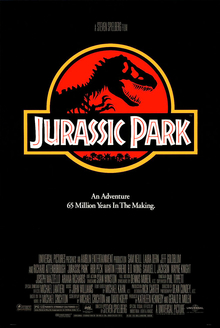
In the annals of cinema history, few films have so successfully evoked awe and terror as Steven Spielberg's Jurassic Park, released in 1993. This landmark film, which introduced groundbreaking visual effects, transformed the landscape of science fiction and adventure cinema. Based on the novel by Michael Crichton, Jurassic Park became a defining work in Spielberg's illustrious career, embodying his knack for marrying spectacle with storytelling. While he is known for his ability to craft thrilling narratives, this film specified a cautionary tale about the dangers of unfettered scientific ambition.
Critics widely agree that Jurassic Park expertly explores themes of scientific hubris and the unpredictability of nature. In a bid to harness the past, the story's characters, scientists and dreamers, carelessly underestimate the consequences of reviving extinct creatures. They embody the archetype of the modern Prometheus, striving to manipulate life itself without fully comprehending the ramifications. This narrative thread runs throughout the film, signaling a poignant warning: nature is an unpredictable force that cannot be tamed or controlled, and every attempt to do so can lead to catastrophic outcomes. The thrilling dinosaur encounters serve as both exhilarating spectacle and stark reminders of humanity’s limitations.
Through its blend of hair-raising sequences and emotional depth, Jurassic Park offers a thrilling thrill ride while simultaneously posing intriguing moral questions. The tension escalates as characters flee from the monstrous dinosaurs, showcasing their instinctual drive for survival. Humans, who once believed themselves at the pinnacle of evolution, are thrust into a primal struggle against nature's chaotic forces. This theme of survival amidst a breakdown of scientific order resonates strongly throughout the film, inviting audiences to reflect on the fragility of civilization when faced with nature's wrath.
However, the film is not without its criticisms, as some reviewers note an uneven pacing and clunky dialogue that detracts from its otherwise spectacular execution. While the visual effects and suspenseful moments are undeniably thrilling, they sometimes appear to overshadow character development and narrative cohesion. Ultimately, Jurassic Park remains an exhilarating experience, combining scientific ambition with a poignant cautionary message about human error and the limitations of knowledge.
As a part of Spielberg's directorial legacy, Jurassic Park stands as a testament to his vision and technical prowess, brilliantly marrying innovative filmmaking with profound thematic exploration. It encapsulates the complexities of human ambition, the perils of scientific exploration, and the unfathomable wonders of life that exist beyond human comprehension. Even years after its initial release, the film continues to captivate and challenge audiences, prompting reflection on our relationship with nature and the ethical boundaries of scientific progress.