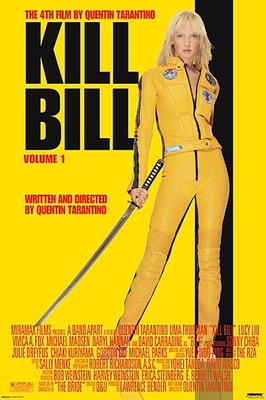
Quentin Tarantino’s Kill Bill: Vol. 1 stands as a striking entry in the realm of contemporary cinema, reflecting the director's distinctive voice and penchant for genre-blending storytelling. Released in 2003, the film serves as an homage to a host of cinematic influences, most notably martial arts films and revenge narratives that have captivated audiences for decades. By expertly weaving together elements of stylish action, vivid visuals, and a compelling feminist narrative, Tarantino not only showcases his mastery as an auteur filmmaker but also redefines the revenge genre through the lens of powerful female representation.
At the heart of Kill Bill: Vol. 1 lies the theme of revenge, which Tarantino explores with an audacious intensity. Following the journey of the Bride, played by Uma Thurman, the film encapsulates a woman’s quest for vengeance against those who wronged her. This narrative not only fuels the action-packed sequences but also encourages a deeper examination of the social implications associated with female agency. By placing a woman at the forefront of a revenge story traditionally dominated by male characters, Tarantino subverts genre expectations and adds complexity to the archetypical revenge narrative.
Critics have consistently praised the film for its visually striking aesthetic and stylized violence. Tarantino’s meticulous attention to detail culminates in a cinematic experience that is both arresting and, at times, jarring. The choreography of the fight scenes, combined with the film's eclectic soundtrack, creates an immersive atmosphere that reflects Tarantino's love for cinema as a medium. This fusion of homage and originality speaks to his overall cinematic philosophy, enabling viewers to appreciate the influences while also engaging with a fresh narrative.
In addition to its feminist undercurrents and homage to martial arts, Kill Bill: Vol. 1 is also a celebration of cinema itself. Tarantino’s self-referential style, echoing techniques from various genres, invites viewers to revel in the art of filmmaking. Each frame is reconstructed to evoke a sense of nostalgia, whether through visual references or tonal shifts, seamlessly blending homage with innovation. This aspect of the film encourages a dialogue about the artistry inherent in cinema, prompting audiences to reflect on the works that have preceded it.
Overall, Kill Bill: Vol. 1 is a milestone in both Tarantino's career and in the film industry at large. Its rich thematic elements, compelling narrative, and impressive visual style make it a noteworthy example of how the revenge genre can evolve and resonate with contemporary audiences. Through this film, Tarantino not only solidifies his position as a bold filmmaker but also paves the way for discussions surrounding gender representation in action cinema, ensuring that the legacy of the Bride, and the film, continues to inspire future generations of filmmakers.