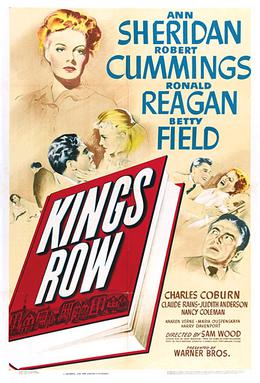
Directed by Sam Wood in 1942, Kings Row has firmly positioned itself within the canon of American cinema for its exploration of complex themes and its portrayal of life in a small town. Often categorized under the melodramatic and psychological genres, the film serves as a poignant commentary on the human condition, encapsulating the struggles and secrets that lie beneath the surface of seemingly idyllic community life. Wood's craftsmanship, honed through years in the industry, allowed him to navigate this intricate narrative with deftness, creating a work that resonates with both historical and emotional depth.
The small-town setting of Kings Row, with its picturesque yet deceptive charm, serves as the backdrop for a rich tapestry of moral ambiguity and personal crises. As the characters grapple with their ambitions and desires, viewers are drawn into a world where local pride is intertwined with dark secrets. Critics have noted how the film effectively paints a psychological portrait of its residents, revealing the stark contrasts between their public personas and private turmoil. The film not only scrutinizes the complexities of the human psyche but also lays bare the often hidden undercurrents of societal expectations and community pressures.
Central to Kings Row is its unflinching exploration of themes such as love, betrayal, and the psychological scars that haunt individuals long after their youthful innocence has faded. The relationships portrayed in the film oscillate between tenderness and turmoil, suggesting a soap opera-like richness that challenges viewers to confront uncomfortable truths about their own lives. As such, the film reflects a nostalgic yearning for a simpler time, while simultaneously exposing the darker realities that can exist within the confines of local pride and engagement.
Critics have reached a consensus that Kings Row transcends typical melodrama through its thoughtful character development and richly layered storytelling. The film-engages with its audience on an emotional level, inviting them to reflect on the moral dilemmas faced by its characters. Through the vivid portrayal of its setting, Kings Row becomes a microcosm of larger societal issues, emphasizing the discord between personal fulfillment and communal expectations.
In the broader landscape of film history, Kings Row stands out as a nuanced exploration of Americana, increasingly relevant in today's cultural discourse. Wood's adept direction and the film's intricate narrative structure continue to be subjects of study and admiration among film scholars and enthusiasts alike. Thus, Kings Row remains not only a significant piece of cinematic history but also a timeless examination of the intricacies of human relationships within the tapestry of community life.