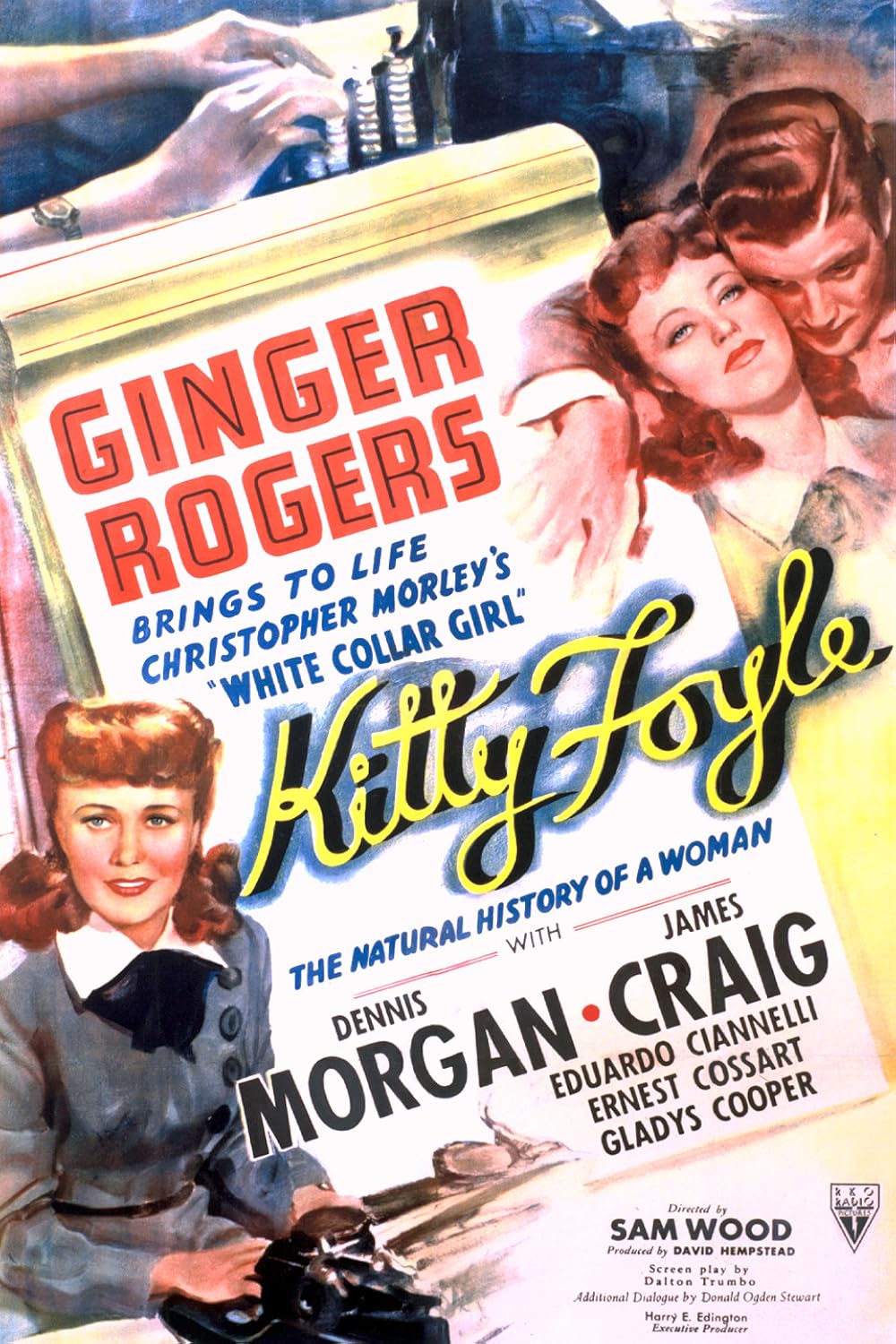
Released in 1940 and directed by Sam Wood, Kitty Foyle stands as a significant work in the context of early American cinema, reflecting the struggles and aspirations of working-class women during a time of considerable societal change. The film provides an insightful commentary on the American dream, portraying the life of Kitty Foyle, a career woman torn between love and ambition. This duality is essential in understanding the film's exploration of personal desires versus societal expectations, particularly in an era when women's roles were being redefined amidst the backdrop of World War II.
Critics have highlighted the film’s thematic focus on melodrama, underscoring Kitty's soul-searching journey as she navigates the complexities of her romantic entanglements and career aspirations. Dawned in stunning costume design, the film not only showcases Kitty's fashion evolution as she climbs the social ladder but also reinforces the significance of appearance as a tool for self-empowerment, and, conversely, societal judgment. The Oscar-winning performance by Ginger Rogers, who portrays Kitty, is lauded as a career highlight and served as a breakthrough role that solidified her status as a leading actress in Hollywood. Her nuanced portrayal encompasses vulnerability and resilience, articulating the trials many women faced during this era.
As much as Kitty Foyle is a personal narrative, it simultaneously acts as a state-of-the-nation commentary, reflective of the shifting dynamics surrounding class and gender in America. Kitty’s journey from a working-class setting to an unexpected brush with the social elite serves to critique the societal snobbery that often accompanies wealth and privilege. This tension, woven through Kitty's relationships, illuminates the broader context of women striving for autonomy and respect in a patriarchal society. Such themes resonate with audiences, highlighting issues of class struggle and personal agency that remain relevant today.
Throughout the film, the motifs of property ownership and ranch life emerge, hinting at a longing for stability and belonging that transcends the immediate plot. This aspect resonates particularly in relation to the film's celebrity elements, capturing a time when Hollywood elites engaged in leisure pursuits such as trout fishing in Southern Oregon. The idyllic yet complex depiction of Kitty’s world complements the film's exploration of personal connections versus social aspirations. The film's lingering appeal, as noted by critics, may also reflect a nostalgic yearning for simpler times amidst the chaos of modernity, thus enhancing its emotional depth and longevity within cinematic history.
Ultimately, Kitty Foyle stands as a compelling illustration of the interplays of fashion, identity, and societal expectations through the lens of a working-class woman striving for her place within a rapidly changing world. As a critical entry in Sam Wood’s oeuvre, the film not only highlights the cinematic accomplishments of its cast and crew but also invites viewers to reflect on the enduring struggles women face in balancing personal ambition with societal ideals, making it a timeless piece worthy of revisitation.