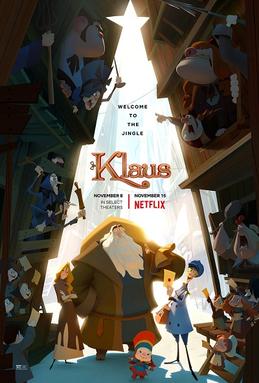
In a landscape dominated by digital animation, Klaus emerges as a refreshing tribute to the artistry of hand-drawn animation. Directed by Sergio Pablos, who previously worked as an animator on films like Finding Nemo and Despicable Me, this film marks a departure from modern animation trends while simultaneously honoring the classic narratives that have shaped cinematic storytelling. Set against the backdrop of the fictional town of Smeerensburg, Klaus places the legend of Santa Claus at its core, offering an origin story that is as whimsical and absurd as it is heartfelt and uplifting.
Critics have largely praised Klaus for its unique fusion of festive themes and contemporary humor, characteristics that feel reminiscent of both Roald Dahl’s quirky charm and Tex Avery's absurd sight gags. The film's narrative follows Jesper, a privileged postman forced to serve a remote, cold town that has long abandoned joy and kindness. The character-driven story that unfolds is both familiar and innovative, presenting classic holiday motifs while simultaneously revitalizing the way we perceive Santa Claus. Pablos infuses the script with a rich characterization that breathes new life into traditional folklore, inviting audiences of all ages to reconsider the significance of selflessness and community.
Visually, Klaus is a striking accomplishment. The hand-drawn animation is lavishly budgeted and beautifully rendered, showcasing intricate designs that evoke nostalgia for the art of animation as it once was. The film's atmospheric settings breathe life into Smeerensburg, transforming it from a ho-hum locale into a vibrant character in its own right. Each frame is imbued with artisanal craftsmanship, serving as a testament to the painstaking work that goes into creating such an animated feature. Critics have cited the film's visual prowess as a standout element, making it an engaging feast for the eyes.
The humor found within Klaus oscillates between absurd and charming, striking a delightful balance that engages young audiences while simultaneously appealing to adult sensibilities. This layered humor naturally aligns with the themes of holiday cheer and the spirit of giving, making it a film that invites laughter alongside more profound contemplations about generosity. Despite some critiques of its lighter moments feeling weakly sassy at times, the overall consensus acknowledges the film's ability to balance humor and heart without losing sight of its narrative focus.
Overall, Klaus represents a significant achievement in contemporary animation that does more than just entertain; it also reaffirms the power of storytelling. By bridging traditional storytelling techniques with innovative animation, Sergio Pablos crafts a film that is undoubtedly charming and impactful. As audiences embrace this new take on a beloved tale, it becomes clear that Klaus is not simply a holiday film but a resonant reminder of the importance of kindness and community, delicately wrapped in a package of artful animation and joyful absurdity.