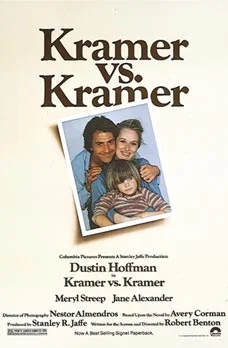
In the landscape of late 1970s cinema, Kramer vs. Kramer, directed by Robert Benton, emerges as a poignant exploration of the complexities entailed in divorce and parenthood. The film, which won five Academy Awards including Best Picture, marks a significant moment not only in Benton’s career but also in the broader context of American cinema, as it articulates the shifting dynamics of family and gender roles during an era where traditional narratives were being intensely scrutinized and redefined. Benton, who had gained recognition for his work in both direction and screenwriting, succeeded in crafting a story that resonates with a sensitive and nuanced portrayal of divorce, steering away from his earlier work that often echoed a more comedic flavor.
Critical consensus surrounding Kramer vs. Kramer highlights its layered examination of a custody battle, illustrating the raw emotions and conflict inherent in the dissolution of a marriage. The film is often lauded for its delicate handling of parental roles, emphasizing the personal growth of its characters, especially Ted Kramer, played by Dustin Hoffman. Critics acclaim the performances as sensitive and well-acted, with Meryl Streep delivering a compelling portrayal of Joanna Kramer, a mother whose departure forces Ted into an unfamiliar role as both caregiver and breadwinner. This deliberate focus on the intricacies of their evolving relationship invites viewers to empathize with both characters, diverging from the typical binary portrayals of villains and heroes.
The central themes of personal growth and family dynamics are intricately woven throughout the film, grounding the narrative in relatable scenarios that resonate beyond its time. As Ted navigates through the challenges of single parenthood, the film unfolds a journey of self-discovery, highlighting the often bittersweet reality of balancing career aspirations with familial responsibilities. Critics note the film's touchy-feely nature, which does not shy away from the emotional turmoil that accompanies both love and loss. This emotionality, while sometimes critiqued as overtly sentimental, ultimately contributes to the film's authenticity, allowing it to explore deeply human experiences in a compelling way.
Furthermore, Kramer vs. Kramer serves as a lens through which to view evolving gender norms. It challenges traditional expectations of masculinity and femininity, portraying Ted in a more nurturing light while also shedding light on Joanna’s struggles with identity outside the expectations of motherhood. This shift is emblematic of the time, as societal norms surrounding marriage, parenting, and career begin to blur. The film does not provide easy resolutions; instead, it presents the messy complexities of relationships, leaving audiences to ponder the consequences of personal choices.
In conclusion, Kramer vs. Kramer remains a landmark film that resonates despite the passing of time. Its sensitive, well-acted narrative facilitates conversations about the realities of divorce and parenthood that continue to be relevant today. Through its deliberate storytelling and layered character development, it invites viewers to reflect on their own experiences with love, loss, and growth, making it an enduring classic in the annals of cinematic history. As Robert Benton's work evolves, this film represents a pivotal moment that shaped not only his career but also the portrayal of familial relationships in American film.