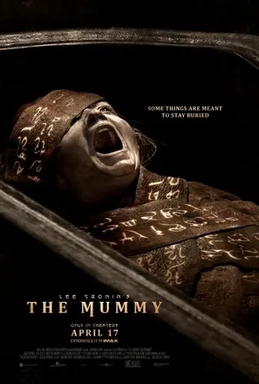
In the vast landscape of contemporary horror cinema, Lee Cronin’s The Mummy stands as a striking example of both the potential and pitfalls of reimagining classic themes. Known for his nuanced storytelling in The Hole in the Ground, Cronin attempts to meld body horror with supernatural procedurals, yet the execution in The Mummy often sways towards a convoluted excess that lacks the thrills one might expect from such a grand premise. As the film marks a significant entry in a long lineage of mummy narratives, its ambition does not fully translate into a coherent or satisfying experience.
Critics have noted that The Mummy is laden with a variety of themes, including family dynamics, possession, and the investigation of cryptic horrors. However, while these motifs offer a rich canvas for exploration, they are often overshadowed by the film’s stylistic excess and overindulgence. Possession themes intertwine with familial conflicts, but the narrative ultimately feels threadbare and uninspired, leaving audiences grappling with the lack of drama and connection to the characters. The film's use of gore is abundant and may engage some viewers, yet it often devolves into a squirm-inducing spectacle that sacrifices narrative depth for visual shock value.
The grandiosity of The Mummy serves not only as a testament to Cronin's directorial vision but also highlights the inconsistency of his approach to horror. The film boasts lavish and expensive production design, aiming to immerse viewers in foreign settings infused with cultural references. However, the result is a monotonous journey through predictable plot points that detract from the film's potential impact. Critics have pointed out various plot holes and a lack of originality that compound the disappointment felt by many, as a once-promising tale becomes ensnared in a web of cliché.
As viewers engage with The Mummy, they may find themselves caught in a whirlwind of stylistic choices that can be both visually impressive and narratively empty. The humor interspersed throughout feels misplaced, contributing to a distraction rather than a balance to the film’s brutal narrative arc. In a landscape where continuity and engaging storytelling are paramount, The Mummy struggles under the weight of its aspirations, often resorting to clattery horror elements that do little to enhance audience investment.
Ultimately, the critical consensus positions The Mummy as an overlong and cruel dive into excess, where the promise of a revitalized horror franchise falls short against the stark realities of uninspired filmmaking. As Cronin navigates the waters of horror conventions, he may find that the key to successful reinvention lies not in grandiosity or gore but in the subtleties of storytelling that resonate with both the mind and heart. In his latest effort, The Mummy grapples with its identity but leaves audiences longing for a deeper, more coherent exploration of its haunting themes.