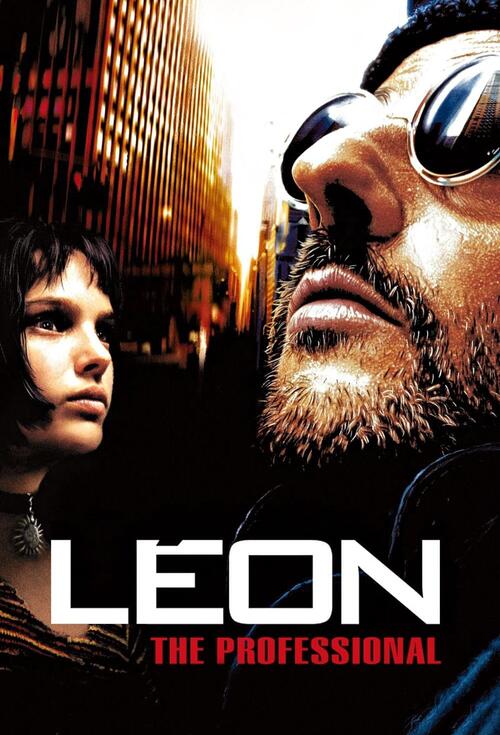
Released in 1994, Leon: The Professional stands as a pivotal film in director Luc Besson's oeuvre, contributing significantly to the cinematic landscape of the 1990s. This film arrived during a time when action cinema was increasingly influenced by stylized aesthetics and complex character dynamics. Besson, known for blending action with emotional depth, uses Leon to explore the disturbing intersections of violence and innocence, crafting a narrative that is both thrilling and discomforting. His distinctive style, characterized by vibrant cinematography and carefully constructed set pieces, enhances the emotional stakes of a story framed around a hitman and a young girl navigating their tumultuous realities together.
At the heart of Leon: The Professional lies the compelling mentor-mentee relationship between Leon, played masterfully by Jean Reno, and Mathilda, portrayed with haunting brilliance by a young Natalie Portman. This bond transcends the conventional understanding of mentorship, as it flirts with moral ambiguity and the stark realities of violence. While Leon attempts to shield Mathilda from the dangers of his world, their relationship evolves from one of protection to a complex interplay of emotional reliance and an unlikely friendship. The film deftly captures the coming-of-age journey of Mathilda, who is thrust into a life of violence while simultaneously seeking redemption in her existence.
Critics have noted that the film’s portrayal of violence is both stylized and unsettling. Besson’s use of graphic action constructs an atmosphere that is as thrilling as it is disturbing, prompting viewers to grapple with the moral implications of such actions. The violence in Leon: The Professional often serves as a visual metaphor for the loss of innocence, presenting a world where survival necessitates embracing brutality. The emotional weight of the film is palpable, as Mathilda's quest for revenge after a tragic loss forces the audience to confront the vile underbelly of human nature, suggesting that morality can often be ambiguous in the face of overwhelming pain and suffering.
Moreover, the film’s treatment of redemption is intricately woven into its narrative fabric. Leon himself is portrayed as a tragic anti-hero, seeking solace from his past transgressions through his bond with Mathilda. Their dynamic challenges the viewer’s notions of right and wrong, demanding a reconsideration of what it means to protect and to be protected. Through his relationship with Mathilda, Leon has a chance to rediscover his own humanity and navigate the complexities of love and loss amidst a backdrop of pervasive violence. This multilayered exploration of character establishes Leon: The Professional as not merely an action film but a profound meditation on the lengths one might go to for love and loyalty.
In a broader sense, Leon: The Professional has garnered critical acclaim for its emotional resonance and stylistic bravura, solidifying its status as a cult favorite over the years. The film functions as both a thrilling action narrative and a poignant tale of personal growth, leaving a lasting impact on audiences and influencing subsequent works within the genre. Luc Besson’s ability to intertwine these themes seamlessly makes Leon: The Professional an essential study in the duality of violence and innocence, reaffirming its relevance in the canon of modern cinema.