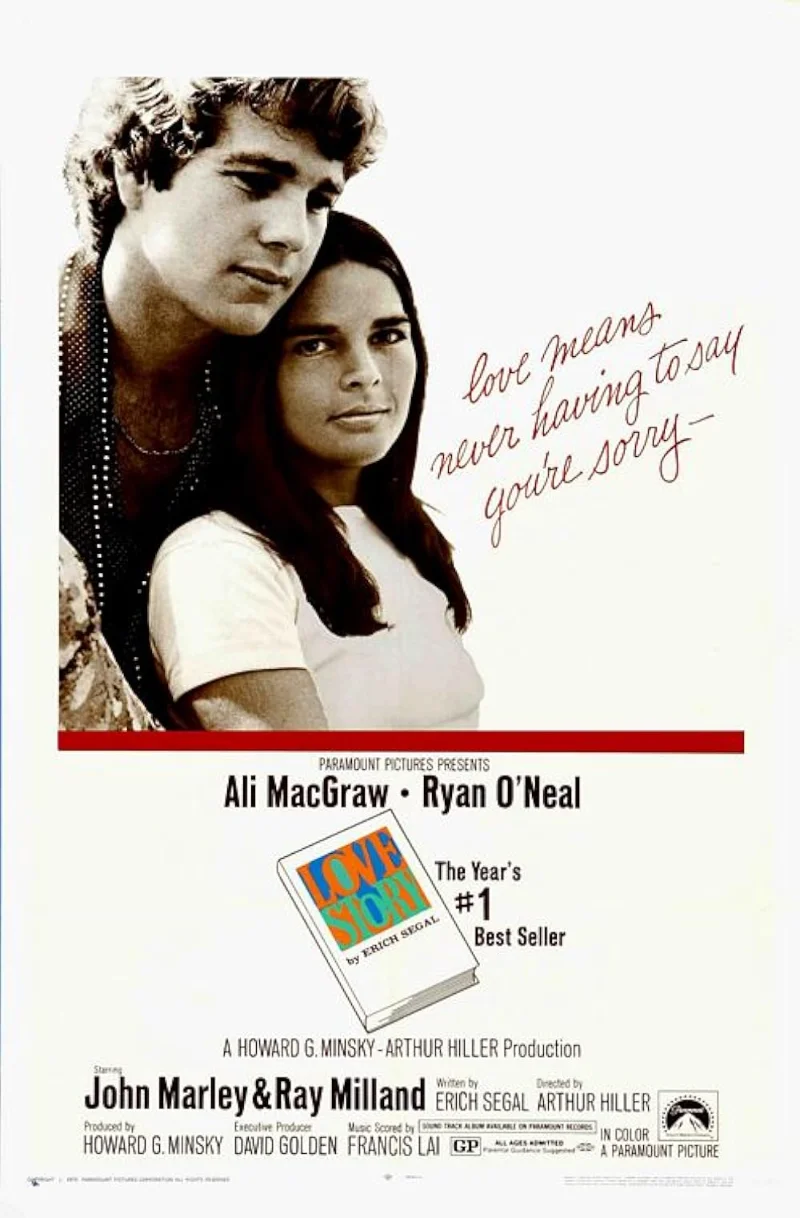
Released in 1970, Love Story directed by Arthur Hiller stands as a quintessential exploration of love and loss amidst the harsh realities of class differences. It was a significant contribution to the romantic genre during its time and solidified Hiller's place in cinematic history as a director adept at eliciting emotional depth from his characters. The film is rooted in the bittersweet tale of Oliver Barrett IV, a wealthy Harvard student, and Jennifer Cavalleri, a spirited young woman from a working-class background. Their romance, punctuated by societal challenges and personal tragedy, underscores a foundational theme of the film, love can transcend economic divides, yet the specter of loss looms heavily over such connections.
Critics have long commended Love Story for its sentimental portrayal of love, though they also highlight its manipulative elements that tug at the audience's emotions. The film’s narrative arc is steeped in heart-wrenching moments designed to escalate the emotional stakes, often leveraging the characters’ socioeconomic backgrounds to heighten the drama. This calculated emotional manipulation has led to a divided reception, with some praising its heartfelt execution while others critique its lack of subtlety, viewing it as a tragedy wrapped in a commercial sentimentality rather than a genuine exploration of love.
The overarching themes of class differences and emotional devastation are presented through an accessible lens, ultimately resonating with viewers on a personal level. Love Story captures the essence of 1970s cinema, reflecting a time when societal norms were being challenged and traditional romantic narratives were evolving. This film embraces the duality of joy and heartache, compelling audiences to grapple with the stakes associated with love that must navigate the harsh waters of socioeconomic disparity. Critics often describe the film as heartbreaking yet uplifting, underpinning the irony that love can be both a source of profound happiness and deep sorrow.
Culturally, Love Story has a lasting legacy that extends beyond its box office success and popular catchphrases. It has influenced countless others in the genre, paving the way for narratives that intertwine romantic idealism with grounded challenges. The film's ability to encapsulate the complexities of love and loss in a class-divided society has cemented its status as an enduring classic. In an era when collective cultural consciousness began to shift, Love Story emerged as a poignant reflection of the time, encapsulating the struggles and triumphs of love.
In summary, Love Story is both a testament to Arthur Hiller’s directorial prowess and a complex tapestry of themes centering around love, loss, and class differences. Its emotional depth reverberates through audiences even today, urging us to reflect on the fragility of life and the impact our backgrounds can have on our relationships. Whether one views it as sentimental or manipulative, there is no denying that Love Story remains a compelling exploration of desire, aspiration, and the heartbreaking inevitabilities of fate.