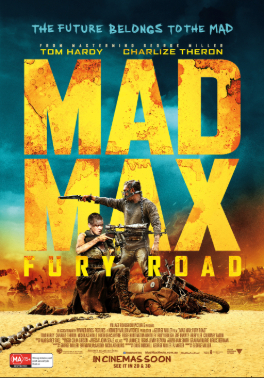
Released in 2015, Mad Max: Fury Road marks a remarkable return for director George Miller, who first introduced audiences to the dystopian world of Mad Max over thirty years earlier with Mad Max in 1979. This latest iteration not only reinvigorates the iconic franchise but also sets a new standard for action cinema with its innovative use of visual storytelling. Miller's vision resounds throughout the film, emphasizing a relentless pursuit of survival in a barren wasteland, and firmly establishing Fury Road as a hallmark of genre-defining cinema that transcends traditional boundaries.
The film has been widely praised for its exploration of profound themes such as redemption and revolution, imbued with a distinctly feminist perspective. At its core, the narrative centers on two powerful characters: Imperator Furiosa, portrayed by Charlize Theron, and Max Rockatansky, played by Tom Hardy. Their journey illustrates an urgent need for empowerment and liberation amid a world dominated by toxic masculinity. Critics have highlighted this duality as a celebration of female strength and agency, positioning Fury Road as a groundbreaking work within the action genre that skillfully integrates feminist ideals, making it a crucial conversation starter in contemporary film discourse.
The critical consensus lauds Mad Max: Fury Road for its visceral and high-octane action sequences, which are both breathtaking and satisfyingly visceral. The film’s relentless pacing keeps audiences on the edge of their seats, showcasing a series of adrenaline-fueled chases that reveal a balletic choreography of destruction and survival. This exhilarating journey embodies the fierce struggle against oppression and the pursuit of hope in a world filled with chaos. Such relentless action serves not only as entertainment but also as a poignant reminder of the human spirit’s resilience.
Visually, Fury Road is an aesthetic marvel, pushing the boundaries of imagination and cinematography. Miller's choice of practical effects over CGI infuses a raw authenticity into the violent world depicted, further immersing audiences in this post-apocalyptic landscape. Critics have described the film as bat-shit crazy yet systematically profound, where each frame is both a work of art and a testament to the creative potential of cinematic language. The sweeping desolation of the landscape, coupled with vibrant colors and striking imagery, creates an experience that is wildly entertaining, deeply engaging, and visually distinct.
Ultimately, Mad Max: Fury Road is not just an action film; it is a revolutionary work that challenges traditional gender roles, critiques systems of power, and redefines what action cinema can achieve. Miller's fearless storytelling taps into our collective desire for change, making the film an empowering narrative that resonates across audiences. This bold vision has reestablished the franchise as not only relevant but essential, encouraging a new generation of filmmakers to dream bigger and push the envelope of what is possible in cinema.