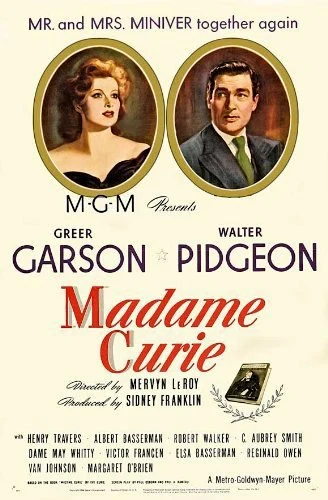
In the context of 1940s cinema, Madame Curie stands out as a significant work directed by Mervyn LeRoy. Renowned for his ability to adapt biographical narratives into compelling dramas, LeRoy’s film reflects the era’s interest in celebrating notable figures, particularly women who have made substantial contributions to science and society. Released during a time when female roles in both the workforce and scientific communities were gaining recognition, Madame Curie effectively embodies the struggles and triumphs of its subject, Marie Curie, while serving as a tribute to resilience and intellect against a backdrop of societal limitations.
The film’s critical reception points to its deep exploration of thematic elements such as scientific achievement, personal sacrifice, and the barriers faced by women in a male-dominated field. Curie's journey, from her humble beginnings to her groundbreaking discoveries in radioactivity, is portrayed as an inspiring saga of not only scientific discovery but also personal resilience. Critics have noted how the film captures the tension between her unwavering dedication to her research and the societal expectations of women in the early 20th century, highlighting the film’s endorsement of women’s agency in the pursuit of knowledge and equality.
Madame Curie is ultimately classified as a biographical drama, rich with historical significance. The narrative effectively intertwines the details of Curie's life with broader societal contexts, providing viewers with a sense of both the individual journey and the larger historical movement toward gender equity in science. This interplay of personal and historical elements ensures that the film resonates with audiences not only as a story about a remarkable woman but also as an emblem of the scientific progress and feminist awakening of its time.
The film’s depiction of Curie as a tireless scientist who overcame personal and professional challenges is especially resonant. As she navigates the tumultuous landscape of early 20th-century science, her character becomes a symbol of perseverance, a representation of women’s struggles and triumphs within a patriarchal society. Madame Curie serves as an inspiration, drawing attention to the sacrifices and the immense effort required to achieve scientific greatness, while also acknowledging the personal costs involved.
In retrospect, Madame Curie is not merely a biopic. It is an inspirational narrative that champions the value of determination and passion in the face of adversity. As audiences watch Curie's life unfold, they are invited to reflect on the historical barriers she overcame and to appreciate the profound contributions of women to the scientific landscape. Through LeRoy’s lens, the film remains a timeless exploration of the complexities of gender dynamics, personal sacrifice, and the celebratory acknowledgment of female scientific achievement.