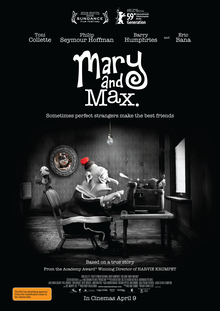
In the realm of animated films, Mary and Max (2009) stands out as a unique entry that defies the conventions usually associated with the genre. Directed by Adam Elliot, known for his deeply personal and often unconventional storytelling style, this Australian claymation feature creates a somber yet charming exploration of friendship and loneliness through the unlikely bond between two misfits: Mary, a lonely girl living in Australia, and Max, a middle-aged man with Asperger's syndrome residing in New York. This film not only showcases Elliot's ambition but also marks a significant moment in cinema history, challenging audiences to reconsider the emotional depths achievable through clay figures and stop-motion animation.
Critics have frequently described Mary and Max as a bittersweet tale, masterfully balancing humor with moments of startling sadness. The film tackles complex themes surrounding loneliness, the search for connection, and the nuances of friendship in a way that feels both whimsical and grounded in reality. The film's claymation aesthetic, while detailed and meticulously crafted, serves to enhance its poignant narrative, rendering the grotesque beauty of its characters and settings a critical part of the storytelling process. In this, Elliot does not shy away from pushing boundaries; he presents a tale that is as grimly witty as it is tenderly moving, encouraging audiences to laugh at, and with, life's absurdity.
At times, the film has been described as overlong, but many viewers argue that its pacing allows for an immersive experience that gradually unfolds the depth of Mary and Max's relationship. The quirky, offbeat humor that pervades the film becomes a vessel for exploring the stark realities of each character's life, creating a compelling juxtaposition that captivates audiences. This blend of dry wit and heartfelt moments resonates particularly with a culture that values storytelling, showcasing a distinctly Australian sensibility without resorting to cliché.
In assessing the critical consensus, one can see how Mary and Max has grown into a cult classic, beloved for its imaginative approach to storytelling and its ability to evoke empathy. While the film contains elements that may be described as grotesque, grotesque humor becomes a mirror reflecting wider themes of societal isolation and the desperate yearning for companionship. Ultimately, Elliot's work ranks alongside other significant figures in animation history who have sought to break away from traditional narratives and embrace the complexities of the human condition, heralding a genre evolution where clay can tell deep, human stories.