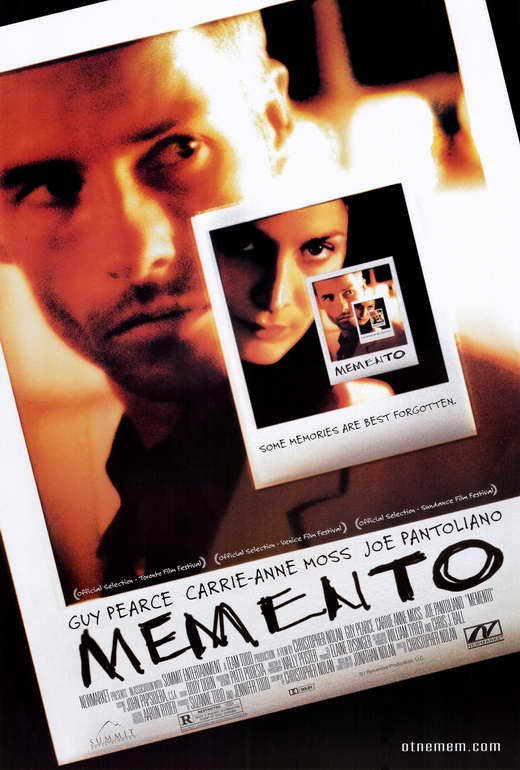
Christopher Nolan’s Memento stands as a landmark film in the landscape of independent cinema and psychological thrillers. Released in 2000, this innovative narrative not only showcased Nolan's burgeoning talent but also established him as a director unafraid to challenge conventional storytelling. As audiences grappled with its complexities, Memento deftly navigated the intricacies of memory and identity, reflecting a broader cultural fascination with the ways in which our recollections shape who we are. Anchored by a striking performance from Guy Pearce as Leonard Shelby, the film explores themes of vengeance and the elusive nature of truth, solidifying its status as a film that demands active engagement from viewers.
At the core of Memento lies a unique narrative structure that mirrors Leonard's fractured memory. The film unfolds in reverse chronological order, compelling audiences to experience the disorientation that comes with short-term memory loss. This imaginative approach to storytelling not only augments the film's psychological thrill but also creates a dialogue about the reliability of perception and the subjective nature of reality. Critics have highlighted this inventive structure as both challenging and engaging, leaving viewers to piece together the puzzle of Leonard’s quest for revenge against his wife's murderer while questioning the moral implications of his actions.
Memory, perhaps the most potent theme of Memento, serves as a daunting exploration of identity, revealing how past experiences shape present realities. Nolan’s film invites viewers to contemplate their own relationships with their memories, showcasing how trauma can distort perception and drive obsessive behavior. As Leonard crafts a meticulous system of notes and tattoos to navigate his world, audiences witness a man desperately clinging to fragments of identity amidst the chaos. This compelling portrayal of psychological turmoil resonates deeply, making Memento not just a thriller but a profound meditation on the human condition.
Critics have lauded Memento for its stylish execution and edgy aesthetics, cementing its place in the canon of thought-provoking cinema. Nolan’s adeptness at blending genre conventions with philosophical inquiries has led to widespread acclaim, both commercially and critically. The film's success at the box office was notable for an independent production, paving the way for Nolan’s future projects that would further explore similar themes of time, identity, and morality. In many ways, Memento foreshadowed the director's later works, establishing a thematic and stylistic continuity that has come to define his career.
Ultimately, Memento challenges viewers not just to watch, but to engage in a deeper exploration of its narrative complexities. Its memory-driven plot requires not just passive observation but active participation in uncovering the various layers of the story. By doing so, Nolan invites audiences to confront their own understanding of truth and justice within the labyrinth of their memories. In emerging as a cult classic, Memento has not only highlighted the potential of independent cinema but has also become a touchstone of psychological thrillers, demonstrating the lasting power of innovative storytelling.