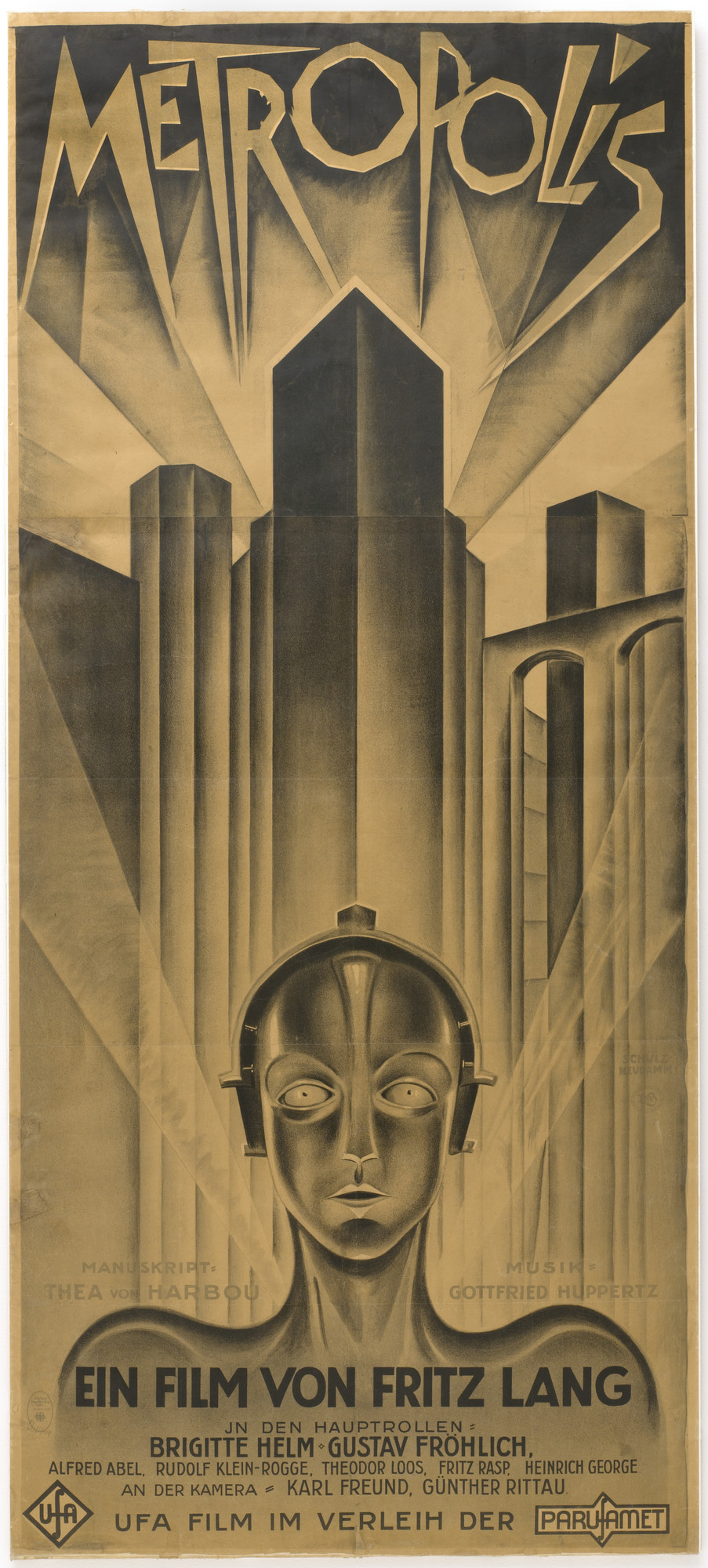
Fritz Lang's Metropolis is a seminal work in the annals of cinematic history, often hailed as a high-water mark for science fiction and a towering achievement in visual storytelling. Released in 1927 during the Weimar Republic, the film is set in a dystopian future where society is sharply divided between the affluent elite and the oppressed workers confined to the underground labor fields. Lang's epic vision explores the deeply entrenched themes of class struggle and economic disparity, which resonate with contemporary audiences, making it as relevant now as it was nearly a century ago. The film can be viewed as a prophetic warning about the consequences of technological fetishism and the dehumanizing aspects of a mechanized society, making it a crucial entry in Lang’s oeuvre, reflective of his preoccupation with power dynamics and societal structures.
Visually, Metropolis transcends its time, showcasing stunning innovation in special effects, set design, and cinematography. Lang, along with his team, created a hallucinatory and mythic landscape, filled with towering skyscrapers and a hauntingly beautiful aesthetic that has influenced countless filmmakers. The meticulous detail of the production scale is nothing short of amazing, exemplifying the ambitious nature of early cinema. Lang's use of light and shadow, combined with his bold visual style, crafted an unforgettable and nightmarish atmosphere which has contributed to its status as an essential film. Not only does it captivate viewers with its eye-catching sequences, but it also serves as a canvas for exploring complex themes that have since become staples in the genre of science fiction.
The film's restoration over the years speaks volumes about its enduring significance and the need to preserve cinematic legacies. Each revival has offered audiences a chance to experience its breathtaking visuals in new forms, reaffirming Metropolis as a key work in film history. Beyond the grand spectacle, the film presents a sobering message about the potential dystopian futures that await society if inequality and technological overreach go unchecked. Lang's preoccupation with the consequences of industrialization invites viewers to reflect on the balance between progress and humanity, a thematic exploration that feels more critical today amid modern technological advancements and societal divides.
Ultimately, Metropolis remains more than a film; it is an experience that encapsulates the visionary and ambitious spirit of early cinema. Its impact on subsequent generations of filmmakers cannot be overstated, with its revolutionary techniques and stylistic choices influencing iconic works from various cinematic movements. Lang's masterpiece is not merely a visual spectacle but a foundational text that invites multiple interpretations, conversations about the human condition, and continued relevance within the discourse of technology and class. For both cinephiles and casual viewers alike, Metropolis stands as a must-see reflection of our collective past, serving as a cautionary tale and an inspiring example of art's power to envision both our dreams and our nightmares.