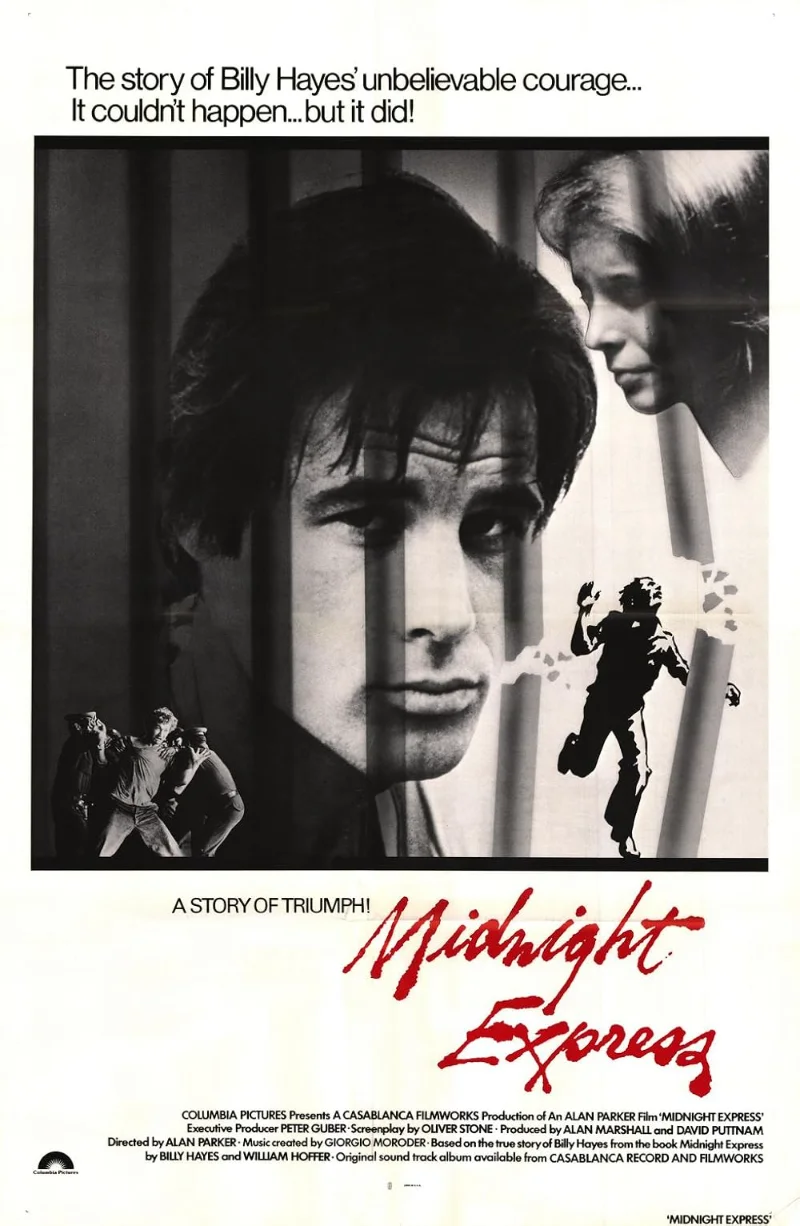
In the canon of 1970s cinema, few films resonate with the same level of harrowing intensity as Midnight Express, directed by Alan Parker. This 1978 film, based on Billy Hayes' autobiographical account of his imprisonment in Turkey for drug smuggling, encapsulates the brutal realities of prison life while delivering a gripping narrative of escape and survival. Parker’s direction serves as a powerful lens through which the oppressive atmosphere of the Turkish justice system unfolds, showcasing a world where morality is blurred and the human spirit is tested to its limits.
The critical consensus surrounding Midnight Express emphasizes its unsettling portrayal of violence and sexuality within the confines of a foreign prison. The performances of Brad Davis, alongside John Hurt and Randy Quaid, are nothing short of first-rate; each actor breathes life into characters that evoke both sympathy and indignation. The film manages to maintain a taut, claustrophobic tension that immerses the audience in Hayes’ desperate quest for freedom. Reviewers frequently describe the experience as riveting and masterful, highlighting how the film effectively draws viewers into its bleak narrative.
Key themes of escape and the failures of the justice system dominate the story, serving as a commentary on the often exploitative legal frameworks faced by foreigners abroad. As a reflection on American identity, the film’s depiction of an American student navigating the horrors of an alien legal environment raises questions about justice, morality, and the unforeseen consequences of choices, particularly around drug smuggling. This dissection of the justice system leads to a broader meditation on the consequences of illegal actions and the often harsh realities that accompany them.
Visually, the art direction contributes significantly to the film's haunting atmosphere, reinforcing the sense of entrapment experienced by the protagonist. Critics have identified Parker’s ability to create a gripping visual narrative, combining stunning cinematography and a pulsating score to bring forth a sense of urgency and despair. The harrowing depiction of prison life and the brutality faced by inmates allows Midnight Express to transcend typical exploitation films, instead positioning itself as a potent societal critique that remains relevant in discussions about justice and human rights.
Ultimately, Midnight Express stands as both a cautionary tale and a fierce examination of personal resilience amidst overwhelming odds. It captures the essence of an era while probing into moral ambiguities that continue to resonate. The film is not simply about the journey of one man, but rather an exploration of the dark corners of a flawed system, making it a critical piece in understanding cinema's role in reflecting societal challenges.