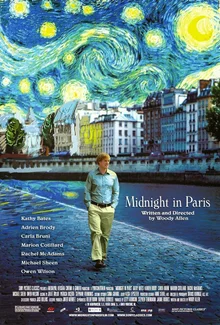
In the realm of contemporary cinema, Woody Allen's Midnight in Paris shines as a whimsical exploration of nostalgia and artistic inspiration, reminding audiences of the enchanting allure of the past. Released in 2011, this film marks a notable return to form for Allen, following a series of films that varied in critical reception. By utilizing the backdrop of Paris, a city forever synonymous with romance and creativity, Allen crafts a delightful narrative that not only serves as a love letter to the City of Light but also critiques the very nature of longing for an idealized past.
At its core, Midnight in Paris operates within a framework of time travel, where the protagonist, Gil Pender, played charmingly by Owen Wilson, finds himself transported to the 1920s. This premise of whimsical fantasy allows for encounters with some of the most celebrated artists and thinkers of the era, including Ernest Hemingway, F. Scott Fitzgerald, and Gertrude Stein. Through Gil's interactions, the film captures a light-as-a-feather tone while simultaneously offering a thoughtful meditation on the value and limitations of nostalgia. Critics have noted how this nostalgic yearning serves both as a source of inspiration and as a trap, elegantly illustrating the tension between idealizing the past and engaging with the present.
The critical consensus surrounding Midnight in Paris veers toward the positive, often labeling it as one of Allen's most engaging works in recent years. The film's narrative is punctuated by a humorous and wry sensibility, highlighting its ability to remain entertaining without sacrificing depth. Reviewers frequently praise its charming nature and winsome storytelling, making it an enjoyable watch for a broad audience. However, some critiques surface regarding moments that may appear gaudy or pandering; yet, these criticisms often coexist with overall appreciation for the film's sincerity.
A characteristic feature of Allen's oeuvre is his fascination with the artistic process, and Midnight in Paris is no exception. Through Gil's journey of self-discovery, viewers are invited to contemplate the struggles and triumphs of creative expression. The film posits that inspiration is not merely a product of the past, but rather a complex interplay of time, place, and personal experience. This theme resonates deeply, presenting the notion that each generation must grapple with the ghosts of those who came before while forging their own identity in the present.
Ultimately, Midnight in Paris invites its audience into a whimsical tapestry where time blurs and creativity flourishes, striking a delicate balance between fantasy and reality. It stands as a signature piece in Woody Allen's filmography, encapsulating his artistic vision while reminding viewers of the delightful possibilities that arise when we embrace the present, even as we gaze longingly at the past. In a world fraught with uncertainty, the film's elegant storytelling and heartfelt message serve as a refreshing reminder of the beauty found in both our memories and our dreams.