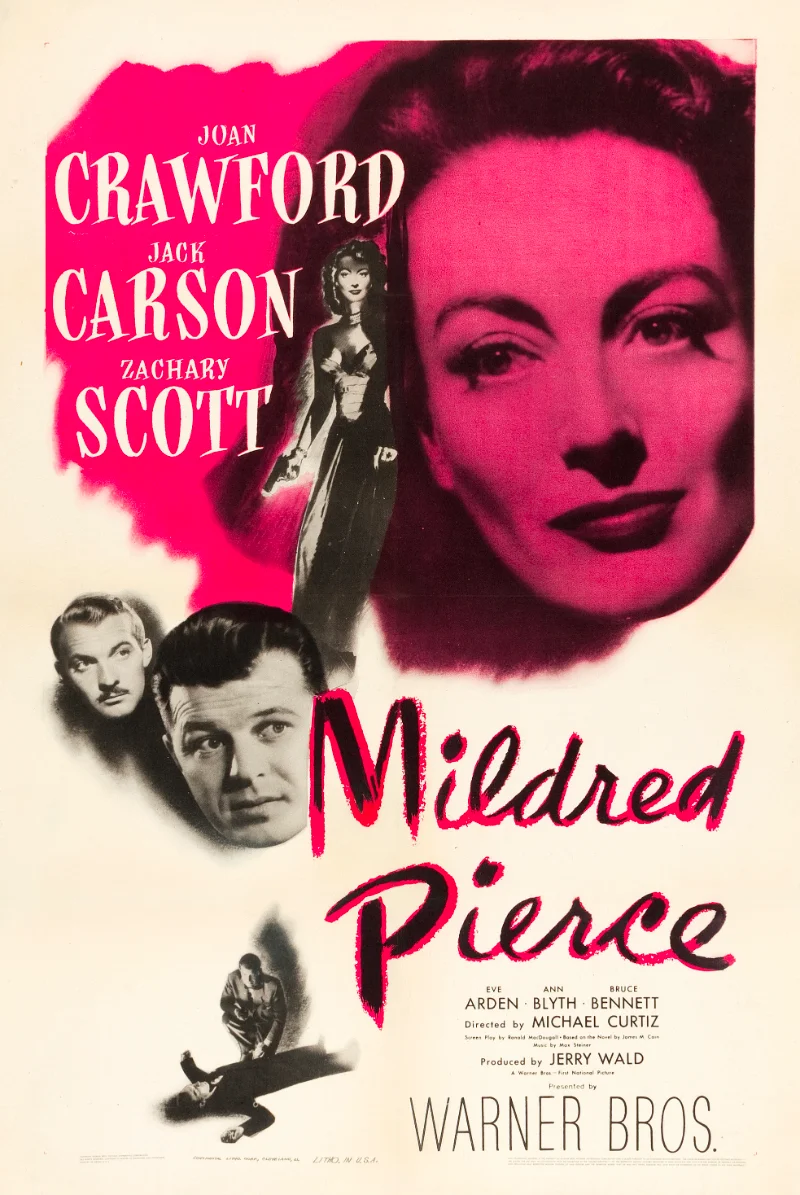
Mildred Pierce, directed by Michael Curtiz in 1945, stands as a significant entry in the film noir genre and a notable piece in the director's extensive oeuvre. Known for his ability to blend gripping narratives with melodramatic undertones, Curtiz utilizes his craft to navigate complex emotional landscapes and societal critiques. The film debuted in a post-war America grappling with shifting social dynamics and aspirations, with its exploration of class and ambition resonating deeply amid the emerging suburban ideal. This context enriches our understanding of the characters and their relentless struggles against societal expectations and personal demons.
At the core of Mildred Pierce is a profound discourse on maternal sacrifice and devotion, encapsulated in the titular character played masterfully by Joan Crawford. Mildred's journey as a single mother striving for upward mobility and the American Dream serves as both a tragic and electrifying narrative. Critics have noted the film's gripping portrayal of family dynamics, particularly how maternal love can intertwine with ambition, leading to both uplifting and devastating outcomes. The corrosive nature of this love is amplified in the relationship between Mildred and her daughter Veda, whose insatiable ambition and disdain for her mother evoke a fierce commentary on class warfare, as they grapple with their identities within the confines of an affluent society.
The film's noir elements are paramount, as the cinematography and score create a lingering sense of foreboding that permeates Mildred's struggles. This sense of tragedy is complemented by a narrative that collapses under the weight of ambition, ultimately illustrating how the pursuit of success can corrupt and destroy. Many reviewers have echoed sentiments of Mildred Pierce as a classic thriller, where the domestic sphere morphs into a battleground of emotions and societal pressures, revealing the darker undercurrents of suburban life. The film’s melodramatic tensions are perfectly underscored by Crawford's performance, which is often credited with revitalizing her career, making it an electrifying focal point for audiences.
In summary, Mildred Pierce captures the intricate complexities of motherhood against a backdrop of ambition and societal critique that is eerily relevant today. The threaded themes of sacrifice and conflict within familial relationships resonate across eras, while the film's noir stylistics craft an unforgettable narrative of a woman who leaves behind a legacy marked by both resilience and tragedy. Curtiz’s direction, combined with the spectacular performances, beckons viewers to consider the costs of achieving the American Dream and the lengths a mother will go to secure her children’s futures. Ultimately, the film challenges us to reflect on the nature of ambition, what it demands from us, and what it might cost us in the end.