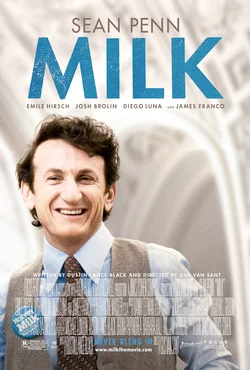
Gus Van Sant's Milk stands as a significant entry in the canon of biographical dramas, illustrating the life and times of Harvey Milk, the first openly gay elected official in California. Premiering in 2008, the film arrived in a moment charged with renewed discussions about LGBTQ+ rights, serving as both a historical reflection and a call to action. Van Sant, known for his contemplative yet accessible storytelling, crafts a narrative that encapsulates the struggle for gay rights in the 1970s, positioning Milk not merely as a biopic but as a reflection on broader political activism and societal change.
Critically, Milk has garnered a consensus that praises its heartfelt portrayal of personal transformation against the backdrop of political struggle. Critics have noted its idealistic tone, as Milk’s journey from an ordinary man to a spirited activist resonates with anyone familiar with the challenges of advocating for individual freedom and rights. However, some have pointed out that this treatment occasionally veers into the realm of the self-congratulatory, presenting a polished version of activism that relies heavily on mainstream sensibilities. Nonetheless, the film's emotional core remains unambiguous, capturing the complexity of Milk’s character and the rousing impact of his legacy.
The themes throughout Milk reflect a kind of duality, illustrating both the political and the deeply personal. Milk's activism is framed not just as a fight for legal rights but as a testament to human dignity and love. His relationships, both romantic and friendly, showcase a kinder side of political activism that often remains underrepresented in cinema. The film does not shy away from the violence and resistance that Milk faced, offering viewers a balanced depiction of the hardships tied to the gay rights movement. This historical reflection serves to remind contemporary audiences of the ongoing struggles for equality, making Milk relevant beyond its initial release.
In the context of Van Sant's broader body of work, Milk stands out as a film that marries personal narrative with social impact. Known for pushing boundaries through various storytelling techniques, Van Sant here employs a conventional approach that is effective in its simplicity and accessibility. This choice allows the film to resonate with a wide audience, transforming Milk's life into a universal parable of bravery and authenticity. While it may not topple stereotypes with its structure, the richness of its human story prevails, making it a heartfelt argument for hope and activism amidst adversity.
Ultimately, Milk serves as both a document of a pivotal time in American history and a thoughtful exploration of identity, power, and the quest for justice. It invites viewers to not only remember Harvey Milk but also to reflect on their own roles in the ongoing struggle for equality. The film’s legacy lies in its invitation for individuals to engage, to grow, and to recognize the transformative power of love and advocacy.