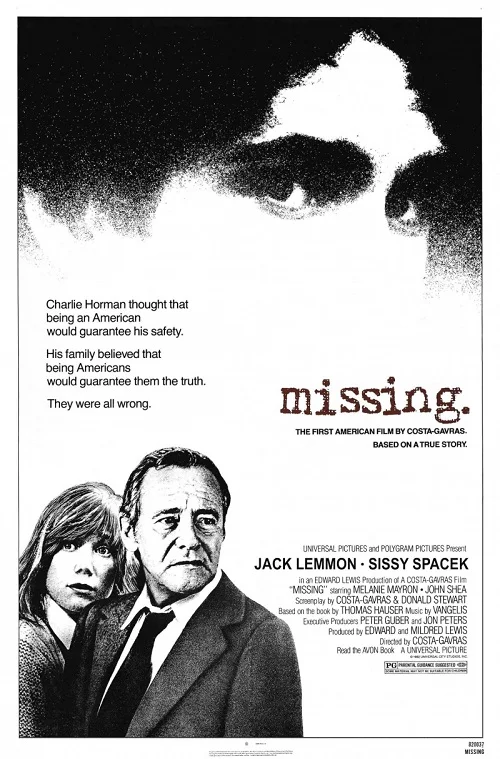
Missing, directed by Costa-Gavras in 1982, stands as a poignant exploration of personal loss and political unrest against the backdrop of historical trauma. This film is a crucial entry in the director's oeuvre, reflecting his commitment to weaving complex narratives around political themes and moral dilemmas. Set in the context of the Chilean military coup and its aftermath, Missing encapsulates the anxieties of a family searching for truth while navigating a maze of bureaucratic dysfunction and political corruption. Costa-Gavras's unique ability to meld suspenseful storytelling with an exploration of cultural identity allows the film to resonate deeply with audiences, serving as both a family drama and a political thriller.
Critics of Missing have largely lauded its ability to embody themes of cultural exploration and community while also foregrounding the personal stakes of political action. The film's emotional core lies within the dynamics of a family torn apart by tragedy, as the search for a missing loved one becomes a catalyst for political awakening. The interplay between the characters' identities and their cultural assimilation raises rich questions about belonging and loss, creating a narrative that feels both timeless and immediate. As the protagonist navigates the labyrinthine system of bureaucracy to find her husband, the film crafts a moving portrait of resilience against the backdrop of despair and institutional corruption.
Visually, Costa-Gavras employs a stylistic approach that oscillates between the whimsical and the disjointed, reflecting the emotional turbulence of its characters. Critics have noted the film's melodramatic elements, which, while occasionally melodramatic, enhance the sense of urgency and unease throughout the narrative. This tension is further amplified by the film's taut pacing and compelling cinematography, which draw the viewer into a world rife with mystery and the unsolvable issues that define it. Indeed, the film’s emotional distance at times can serve to underline the absurdity of its real-world inspirations, creating a brainteaser that compels viewers to engage with the deeper themes at play.
Overall, Missing captures the essence of a cinematic treasure that balances political drama with personal stakes, expertly navigating themes of identity and community. Its critical success lies in its emotional resonance and its thoughtful examination of bureaucratic obstacles facing those in search of truth. This film not only provides a window into the struggle for justice amidst political chaos but also serves as a reminder of the profound impact of personal loss on familial bonds and societal relationships. In the landscape of modern cinema, Missing remains a classic example of how film can illuminate the complexities of human experience within the sphere of political turmoil.