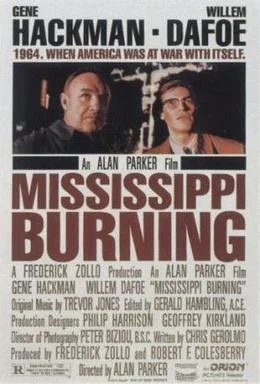
In the realm of cinema, Mississippi Burning (1988), directed by Alan Parker, stands as a poignant reminder of America's tumultuous civil rights era. Set in the 1960s, the film dramatizes the investigation into the real-life murders of civil rights activists, offering a compelling exploration of racial hatred, justice, and the complexities of human morality. Parker, known for his distinctive storytelling and vivid cinematography, blends elements of thriller and drama in a way that remains impactful even decades after its release. The film showcases not only his directorial prowess but also his ability to tackle difficult and controversial subjects head-on, marking it as a significant entry in his body of work that critiques societal injustices in a powerful manner.
The critical consensus surrounding Mississippi Burning reveals a shared recognition of its haunting emotional weight. Reviewers note that the film captures the brutal realities of racism and violence in America with assured narrative strength. Through the lens of an FBI investigation, the film dissects the systemic oppression faced by African Americans in the South, cleverly intertwining themes of justice and moral ambiguity. The performances from Gene Hackman and Willem Dafoe are often praised for their intensity and depth, contributing to the texture of the film's portrayal of a society in turmoil. Critics have marveled at the film's ability to balance the melodramatic with the realistic, ensuring that viewers are both engaged and outraged by the events that unfold.
However, Mississippi Burning has not escaped controversy, facing flak for its narrative choices and perceived historical inaccuracies. Some argue that the film oversimplifies the complexities of the civil rights movement by prioritizing the experiences of white characters over the black victims of systemic violence. Though commendable in its intentions, the film raises questions about the representation and agency of black individuals within their own historical narrative, thus placing the film in a murky moral territory. Critics highlight this imbalance while still acknowledging the film's strong impact on the audience, compelling them to grapple with uncomfortable truths about American history.
Visually, the film is striking; Parker’s use of Mississippi’s oppressive landscapes serves as a poignant backdrop to the human drama at play. The swampy, overgrown settings become metaphors for the cultural and political murkiness of the time, underscoring the challenges faced by those who sought justice. The cinematography vividly encapsulates both the beauty and the horror of the region, further enriching the storytelling. This aesthetic choice does not only elevate the film’s quality but also reinforces the narrative’s emotional stakes.
Ultimately, Mississippi Burning remains a powerful cinematic statement that resonates with contemporary social issues, making it a timeless piece worthy of discussion. The film's portrayal of racism and the quest for justice continues to inspire both outrage and reflection in audiences today. While it is not without its flaws, its raw energy and passionate execution have earned it a place in cinema history, encouraging viewers to confront the painful legacies of violence and discrimination that define parts of American culture. As the dialogue around race relations continues to evolve, Mississippi Burning serves as both a reminder of past struggles and an urgent call for awareness and change.