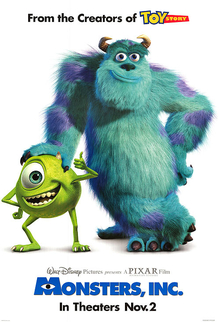
Directed by Pete Docter, Monsters, Inc. marks an important milestone in animated cinema, emerging from Pixar's innovative style that revolutionized the genre in the early 2000s. This film arrived on the heels of Pixar's first feature, Toy Story, which had set a precedent for blending advanced computer-generated animation with heartfelt storytelling. Docter, who would go on to direct other acclaimed projects such as Up and Inside Out, crafted a narrative that not only entertains but also delves into deeper themes that resonate across generations.
The critical consensus surrounding Monsters, Inc. highlights its successful balance of humor and heart, all while tackling profound ideas of childhood fears and imagination. The film's premise, where monsters scare children to harness their screams, serves as a rich canvas to explore corporate absurdities. The humor is sharp, characterized by its cheerful and high-energy pacing, with touches of a quasi-surrealist style that invites audiences into a vividly constructed world. Critics noted the film's ability to be entertaining and engaging, positioning it as a cornerstone of family entertainment.
An extraordinary aspect of Monsters, Inc. is its exploration of friendship, particularly between the main characters, Mike and Sulley. Their dynamic provides a heartfelt core that contrasts the underlying themes of corporate satire. The depiction of the corporate machine in Monstropolis is both a witty commentary and a reflection on the pressures of capitalism. Through animation and narrative techniques, the film illustrates how friendship and imagination can triumph over fear and anxiety, encouraging audiences to rethink their own childhood experiences with monsters and the shadows that lurk in the dark.
Visually, Monsters, Inc. stands out as a groundbreaking achievement in animation. The detailed environments and character designs showcase Pixar's commitment to innovation, making it a visual spectacle that captivates audiences. The level of craftsmanship is apparent in every frame, emphasizing the film's aim to be not just a story for children, but a multi-layered experience that can be appreciated by viewers of all ages. The heartwarming and at times heartbreaking moments resonate on a nuanced level, making it a film that is as meaningful as it is entertaining.
Overall, Monsters, Inc. not only captured box office success upon its release but also secured its place as a beloved classic in the animation landscape. Its ability to weave together themes of adventure, childhood fears, and the quirks of adult life, wrapped in a package of humor and innovation, has allowed it to endure in popular culture. The film remains a testament to the power of storytelling in animation, celebrating the transition from fear to joy within the imaginative realms of childhood.