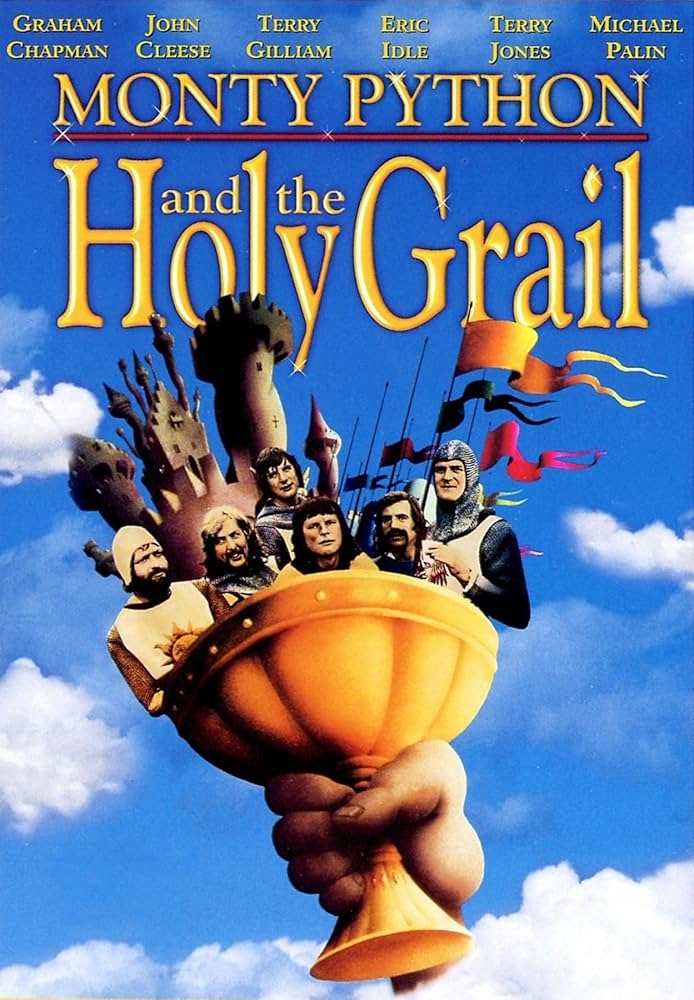
In the pantheon of cinematic history, few films resonate as profoundly as Monty Python and the Holy Grail. Released in 1975, this audacious blend of absurdity and satire marked a seminal moment in the comedic landscape. Directed by the innovative duo Terry Gilliam and Terry Jones, the film emerged from the collective genius of the Monty Python troupe, who, through their unique anarchic humor, reshaped the conventions of comedy. Rather than a straightforward retelling of the Arthurian legend, the film serves as a bold parody that critiques both medieval history and the grand notions of chivalry, all wrapped in a whimsical package that many consider to be a masterpiece of British cinema.
Critical consensus heralds Monty Python and the Holy Grail as a superb example of timeless comedy, with reviewers delighting in its inspired lunacy and killer lines. The film's charm is undeniable, bolstered by its youthful energy and creative freedom, a reflection of the troupe's desire to push the boundaries of humor. Iconic moments, such as the infamous coconut horse galloping and the Knights Who Say Ni, have embedded themselves within popular culture, showcasing the film’s ability to generate laughter through brilliantly absurd sight gags and nonsensical dialogue. It is this very absurdity that invites both laughter and intellectual reflection, ensuring that audiences across generations continue to find joy and meaning in its mischief.
The cinematic artistry of Monty Python and the Holy Grail cannot be overlooked. The film's unique visual style, characterized by Gilliam's distinctive animation and whimsical set design, transcends conventional filmmaking aesthetics, creating an immersive experience that is as creatively engaging as it is amusing. The film's production values, while seemingly rudimentary, serve to amplify the humor rather than detract from it, embodying the spirit of the Pythons' inspiration through necessity. This ability to transform limitations into strengths cements the film's status as a singular work that remains as refreshingly accessible today as it did nearly five decades ago.
In evaluating the impact of Monty Python and the Holy Grail, it becomes evident that its resonance lies not only in its laughter but also in its critique of societal norms and conventions. By infusing medieval parody with a modern sensibility, the film invites viewers to reflect on the absurdity of both historical and contemporary constructs, making it a timeless staple in the comedy genre. Such is the brilliance of the Monty Python team's vision that this film continues to inspire new generations, affirming the notion that cherishing nonsense can often lead to deeper insights about our follies as humans.
Ultimately, Monty Python and the Holy Grail stands as a testament to the power of comedy as a medium of creative expression. It exemplifies the potential for humor to not only entertain but to provoke thought and liberate the imagination. The film's legacy, underscored by its anarchic spirit and sophisticated satire, solidifies its position as an integral piece of cinematic history, one that invites both laughter and introspection in equal measure.