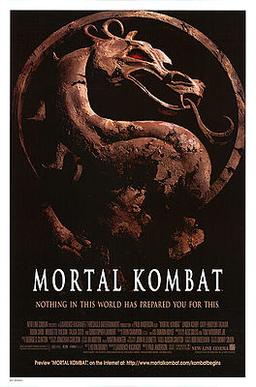
Released in 1995 and directed by Paul W.S. Anderson, Mortal Kombat stands as one of the earliest examples of a video game adaptation becoming a feature-length film, helping to define the genre at a time when such projects were often met with skepticism. As Anderson's directorial debut, the film emerged from a burgeoning interest in cinematic adaptations of video games, epitomizing the energetic spirit and visual excess of the mid-'90s action films. It aims not only to translate the game's violent and fantastical elements onto the big screen but also to offer audiences a narrative of competition and self-discovery set against a supernatural backdrop. Despite its cultural significance, the film's reception reveals the challenges inherent in transforming interactive experiences into coherent storytelling for a diverse audience.
Critics generally agree that while Mortal Kombat is an action-packed spectacle, it often feels uninspired and disjointed in its narrative execution. The film includes a variety of martial arts and supernatural elements, yet the plot tends to take a backseat to the violent set pieces and character showdowns that fans of the game may find satisfying. At its core, the film is a competition between pure good and evil, posing a classic adventure where fighters must confront their inner demons. However, this exploration of self-discovery struggles under the weight of excessive exposition, lacking the depth and nuance that could have elevated the story beyond its video game origins.
One of the more notable features of Mortal Kombat is its commitment to fan service, delivering iconic moves and characters that resonate with diehard followers of the franchise. This approach, while undeniably entertaining, has led critics to label the film as primarily a vehicle for action and violence rather than a robust cinematic narrative. In its endeavor to please audiences with recognizable elements from the game, the film risks overshadowing the storytelling, resulting in a viewing experience that some describe as both exhilarating and disappointing. The visceral thrills offered by the fight sequences keep audiences engaged, but these moments often lack a tangible emotional payoff, leaving behind a sense of a missed opportunity.
Regardless of its shortcomings, Mortal Kombat enjoyed commercial success, appealing to a wide range of viewers drawn in by the promise of high-energy martial arts and spectacular visuals. It has since garnered a cult following, further cementing its status as a prominent entry in the realm of video game film adaptations. Its legacy reflects both the potential of the genre and the pitfalls of placing style over substance in storytelling; the film remains a touchstone for discussions on how to effectively adapt interactive experiences into engaging narratives on screen. Anderson's work, while a product of its time, continues to resonate as new adaptations seek to learn from its successes and missteps.
In conclusion, Mortal Kombat remains an interesting case study within cinematic history, a film that embodies the highs and lows of transforming a beloved video game into a mainstream film experience. Its blend of martial arts mastery, supernatural competition, and bursts of violence captures the spirit of the original game while exposing the complexities of film storytelling. Whether lauded for its action or critiqued for its lack of depth, viewers are encouraged to remember it not just as an adaptation, but as a significant cultural artifact in the ever-evolving relationship between video games and cinema.