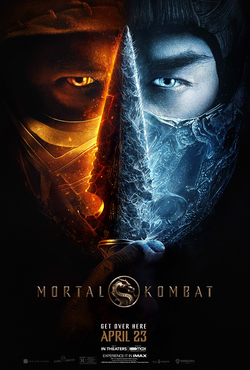
In the realm of Hollywood's ongoing quest to adapt beloved video game franchises, Simon McQuoid's Mortal Kombat emerges as a notable entry that amplifies the themes of violence and fan service. Drawing from the iconic 1990s series and its storied legacy, the film aims to appeal to a nostalgia-driven audience while also capturing the brutal essence of the game. This 2021 adaptation seeks to contextualize its predecessors within contemporary cinema while providing a fresh take on the venerable lore of the franchise.
Critics have observed that Mortal Kombat is an unapologetically violent film, showcasing gruesome and intense combat sequences that are faithful to the source material. From the outset, its brutal fight choreography promises an action-packed experience, catering to long-time fans eager for a faithful representation of their favorite characters. However, this commitment to violence often takes precedence over coherent storytelling, resulting in pacing issues that disrupt the engagement in otherwise captivating moments. The film's tendency to indulge in long training sequences and drawn-out exposition sometimes leads to a slog that can test the patience of even the most ardent fans.
Despite these structural flaws, the film is peppered with a heavy dose of fan service, designed to elicit cheers from audiences familiar with its legacy. Iconic characters, signature moves, and memorable one-liners pepper the dialogue, as Mortal Kombat seeks to honor its origins. However, some critics argue that this dedication to nostalgia comes at the price of the film's overall coherence. While the violence is engaging and the action sequences deliver a visceral thrill, moments feel shoehorned in, and character development arrives in fits and starts. The appeal of the film lies more in its splatter and spectacle than in delivering a robust narrative.
The performances within Mortal Kombat have garnered mixed reactions, with some actors being praised for their commitment to the roles while others are dubbed as wooden or indifferent in their delivery. This inconsistency can lead to an uneven viewing experience, with moments of genuine emotion sinking under the weight of silliness and schlock. Critics have pointed out that while some characters resonate well with viewers, others feel like caricatures of their video game counterparts, failing to find the balance necessary to elevate the storytelling.
Ultimately, Mortal Kombat represents both the potential and pitfalls of adapting video game material for film. While it succeeds in delivering a bloody spectacle that appeals to fans’ desires for visceral iconography and recognition, it struggles to overcome its shortcomings in pacing and narrative depth. McQuoid's direction showcases a strong understanding of the franchise's visual appeal, yet the film remains a flawed endeavor that reflects Hollywood's complex relationship with gaming culture. While it may set the stage for future entries in this franchise, the film stands as a testament to the challenges that come with crafting an engaging cinematic experience from such a richly propulsive source.