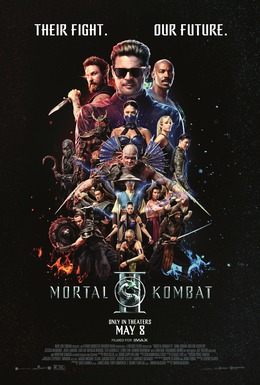
The 2026 release of Mortal Kombat II, directed by Simon McQuoid, serves as a sequel to the recent reboot of the famed fighting game franchise. McQuoid’s first foray into the cinematic universe of Mortal Kombat was received with a combination of intrigue and skepticism, given the franchise's spotty history with adaptations. This sequel, however, attempts to capitalize on its predecessor's established world while leaning heavily into both fan service and the hyper-violent aesthetics that have become synonymous with the series. Yet, as critics have noted, it often feels like a recounting of familiar tropes rather than a fresh exploration of its narrative potential.
In the realm of video game adaptations, Mortal Kombat II emerges as another example of the genre’s struggle between engaging storytelling and the dizzying action sequences expected by audiences. Critics have pointed out that while the film showcases gleefully kinetic fight scenes and a bounty of bloodshed that might satisfy gorehounds, the overall experience is marred by predictable plot devices and character arcs. This leads to an impression of mediocrity, where the glitz of special effects and colorful visuals cannot mask a narrative that is deemed generic and uninspired. Instead of offering a thrilling continuation of the story, it slips into a pattern of being a patchwork of tired clichés, robbing the sequel of its potential impact.
Amidst the gory spectacles and colorful presentation, the film’s characterization has also drawn scrutiny. Introductions of new characters and nods to fan-favorite fighters appear to anchor the film, yet many are described as interchangeable in their demeanor and development. The cult of fans eager for every blood-splattered cameo may find moments of joy, but many viewers might feel that what should have been a thrilling character-driven story instead results in a somber overuse of blood and guts without adequate emotional investment. This is troubling for a sequel that had an opportunity to innovate rather than merely replicate what had come before it.
McQuoid, who previously showcased his ability to capture action in intricate settings, seems to have been hindered by serving two masters: the original fanbase and the demands of a commercial blockbuster. Critics point out that while the action can be hard-hitting and visually striking, the film often lands with a thud, as the storytelling fails to keep pace with the kinetic movements on screen. Audiences may walk away entertained by the visceral nature of the fights, but they might also feel that the film lacks the unshackled exuberance associated with what they love about the franchise.
As the years pass, Mortal Kombat II will likely be viewed through the lens of a franchise that tries to balance beloved source material with the demands of the mainstream medium without fully succeeding. In doing so, it raises questions about the effectiveness of translating interactive experiences to cinematic narratives. Ultimately, it stands as a reminder of the challenges inherent in video game adaptations and the peril of letting nostalgia dictate creativity. In the highly competitive landscape of action sequels, this iteration may have found itself just a step behind, as the thrill of nostalgia wears thin against the backdrop of predictable storytelling and lifeless character arcs.