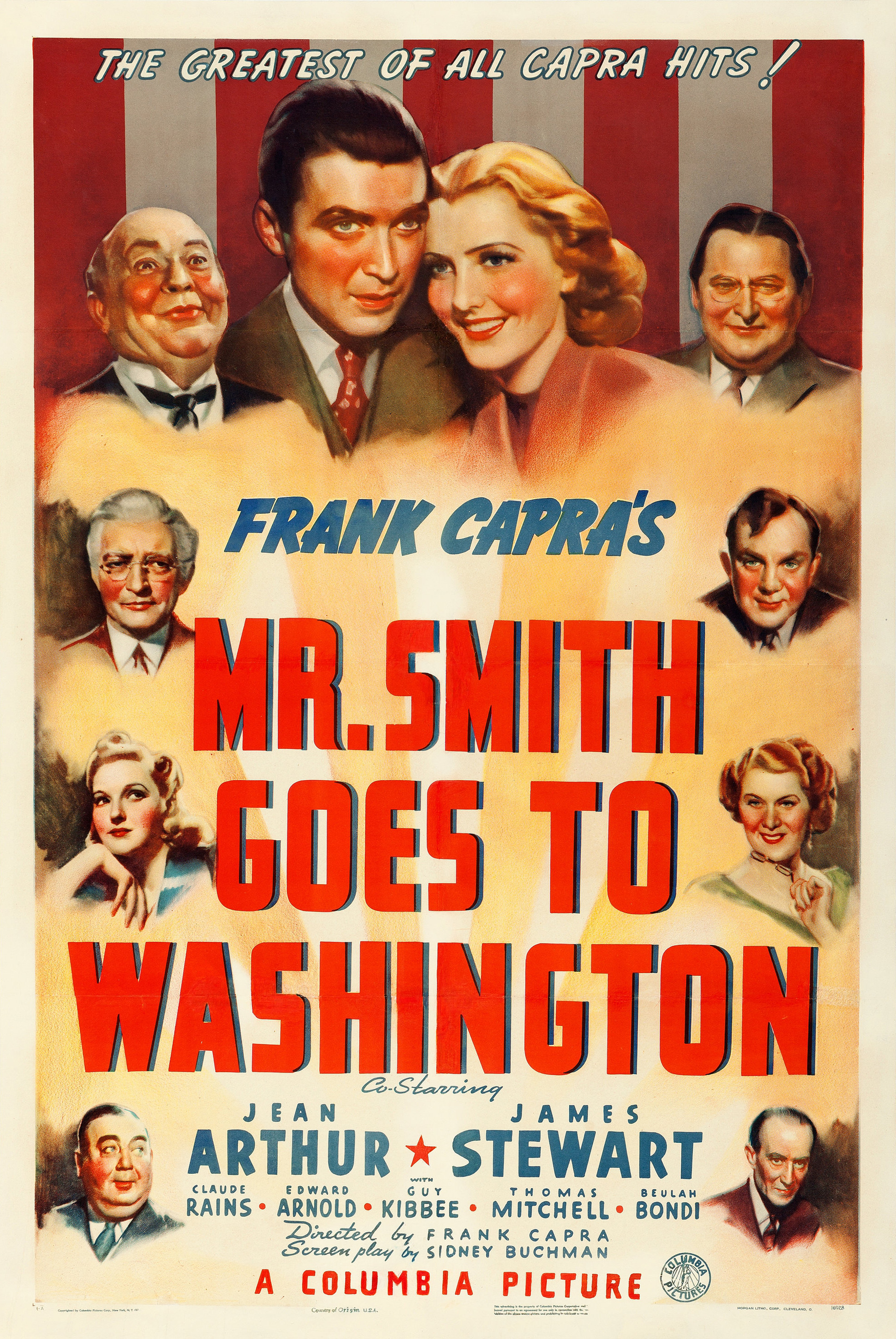
Mr. Smith Goes to Washington, directed by Frank Capra in 1939, stands as a pivotal piece of American cinema, encapsulating the spirit of its time while firmly establishing Capra's signature style. This film emerged from the golden age of Hollywood, a period marked by a flourishing of artistic achievement, and is frequently cited as one of the exceptional films of that remarkable year. Set against the backdrop of political corruption in Washington, D.C., the story follows naive protagonist Jefferson Smith, who is thrust into the world of politics when he is appointed to the U.S. Senate. Through his eyes, audiences experience the stark contrast between his optimistic ideals and the often harsh realities of the political system, making the film a resonant commentary on both the fragility of democracy and the possibility of reform.
The critical consensus surrounding Mr. Smith Goes to Washington highlights the dynamic themes of political activism and the struggle between the individual and the system. Capra's direction masterfully constructs a narrative that brings to the forefront the tensions between idealism and cynical politics. Smith's iconic filibuster serves as a pivotal moment in the film, demonstrating his unwavering commitment to his values amidst overwhelming opposition. This memorable sequence, along with other key debates, reflects Capra's populist vision, making the film not just a drama, but an engagement with the socio-political issues of its time.
Moreover, the film’s exploration of media influence and corporate control speaks to the concerns that still resonate today. The manipulation of public perception through media outlets presents a timeless struggle that artists like Capra have addressed throughout their careers. As Smith confronts the systemic barriers erected by corrupt politicians and corporate interests, viewers are invited to reflect on their own roles as citizens in the democratic process. The film's lasting impact is rooted in its ability to stir audience approval, encouraging a sense of agency and fostering hope in the face of adversity.
Cinematically, Mr. Smith Goes to Washington achieved a rare blend of entertainment and substantive commentary, setting a high bar for future political dramas. This film, emblematic of Capra's work, showcases the director's unique ability to infuse optimism into storytelling, enabling audiences to grapple with complex themes while enjoying the cinematic experience. It has been celebrated with numerous Academy Award nominations, cementing its position within the canon of American film as both a cultural touchstone and a reflection of the artistic zenith of 1939.
The legacy of Mr. Smith Goes to Washington extends beyond its immediate success; it has influenced generations of filmmakers and serves as a reminder of cinema’s power to provoke thought and inspire action. In navigating the labyrinth of political corruption with a blend of drama and idealism, Capra not only created a memorable film but also positioned it as a quintessential example of how Hollywood can address the prevailing issues of its time while resonating with audiences on an emotional level. As we continue to reflect on the messages within Capra's classic, one is left to consider how relevant these themes remain, ultimately affirming the film's enduring significance in both cinema history and contemporary discourse.