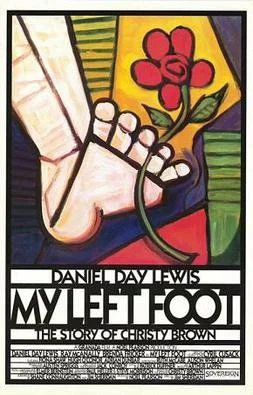
My Left Foot (1989), directed by Jim Sheridan, stands as a pivotal work in both the landscape of Irish cinema and Sheridan's own filmography. Centering on the life of Christy Brown, a writer and painter born with cerebral palsy, the film is a raw and unflinching portrayal of adversity and resilience. By depicting Brown's struggles and triumphs, Sheridan not only highlights the importance of artistic expression but also underscores how family support can profoundly influence an individual's journey toward self-actualization. This film, celebrated for its authenticity, provides a striking commentary on human spirit and determination, emerging as a hallmark of its time.
Critical consensus surrounding My Left Foot underscores its masterful storytelling and emotional depth. Reviewers frequently note the film's ability to blend moments of humor with the harsh realities of Brown's life, crafting an experience that is both entertaining and thought-provoking. The narrative navigates the rocky terrain of hardship and triumph, showcasing Brown's indomitable spirit in the face of formidable challenges. Critics have hailed the film as inspiring and complete, capturing the essence of Brown's artistic journey while remaining tough-minded and unflinching in its portrayal of disabilities and societal perceptions.
The performances in the film, particularly that of Daniel Day-Lewis as Christy Brown, have been described as brilliant and attuned to the nuances of the character's experience. Day-Lewis's commitment to embodying Brown's physical limitations and fierce ambition brings an earthy authenticity that resonates deeply with audiences. The supporting cast also delivers compelling performances, with Brown's family depicted as both loving and occasionally conflicted, shining a light on the complex dynamics of support systems in the context of personal struggles.
Themes of overcoming adversity and the power of artistic expression are at the heart of My Left Foot. Brown's journey from being marginalized by his condition to achieving recognition as an artist exemplifies the potential for creativity to serve as both an outlet and a means of communication. This narrative serves as a reminder that, even in the most challenging circumstances, people possess an inherent capacity for greatness when nurtured by love and support. My Left Foot not only tells a story of inspiration but also challenges audiences to reconsider their perceptions of ability and creativity.
In the canon of cinema, My Left Foot holds a place of significance, enriching discussions around disability, art, and the human condition. Its masterful direction and storytelling continue to resonate, making it a timeless exploration of resilience and expression. As a cinematic experience, it remains relevant, inviting contemplation about the nature of adversity and the transformative power of artistic endeavors. Through its portrayal of Christy Brown’s life, the film beckons us to acknowledge and celebrate the diversity of human experiences, challenging us to uplift and support those who carve their own paths against the odds.