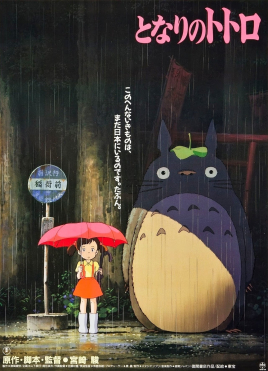
My Neighbor Totoro, directed by Hayao Miyazaki in 1988, stands as a seminal work in the realm of animated cinema and solidifies Miyazaki's reputation as a master storyteller. As one of the earlier films produced by Studio Ghibli, this enchanting film captures the essence of childhood wonder, imbuing its narrative with a gentle charm that resonates across cultures and generations. The film's release at a time when animation was increasingly exploring darker themes contrasts sharply with Miyazaki's tender, affectionate approach, offering audiences a soothing sanctuary that celebrates innocence and familial love.
At its core, My Neighbor Totoro explores the magical dynamics of childhood through the lens of two young sisters, Satsuki and Mei, who move to the countryside amidst personal challenges. Their adventures unfold against a picturesque backdrop filled with lush landscapes and the vibrant supernatural world, predominantly featuring the iconic forest spirit Totoro. Critics laud the film for its ability to evoke the depth of childhood imagination and the intimate bonds shared within families. The interactions between the sisters and their comforting encounters with Totoro encapsulate the themes of love, belonging, and the nurturing essence of nature, creating a benign world that feels both otherworldly and remarkably relatable.
The film's delicate narrative flows with a simplicity that enables it to resonate profoundly with viewers, transcending the barriers of age and language. The visual artistry is nothing short of gorgeous, with hand-drawn animation that brings both the natural world and fantastical elements to life in a manner that is tender and accessible. The pacing of the story, measured and unassuming, invites audiences to linger on moments of joy, often focusing on small, seemingly mundane experiences that become imbued with enchantment.
Critical reception has largely celebrated My Neighbor Totoro as a quintessential family film that eschews conventional conflict in favor of a tender portrayal of everyday life combined with whimsy. It is praised for its lack of villains or dark undertones, a refreshing take that allows for the exploration of the trials and tribulations of childhood within a context that prioritizes wonderment. The film holds a mirror to the familial bonds that effortlessly weave through the narrative, showcasing the strengths found in love, support, and resilience, particularly during pressing times.
Ultimately, My Neighbor Totoro portrays a joyous, heartwarming picture of childhood and the transformative power of imagination. Miyazaki's ability to treat complex emotions with innocent grace positions this film as an enduring classic in animation, echoing his overarching themes of environmentalism, family, and childhood innocence. Its legacy, bolstered by its affectionate portrayal of life’s simple pleasures, continues to inspire and uplift viewers, reminding us of the magic found in both the ordinary and the extraordinary.