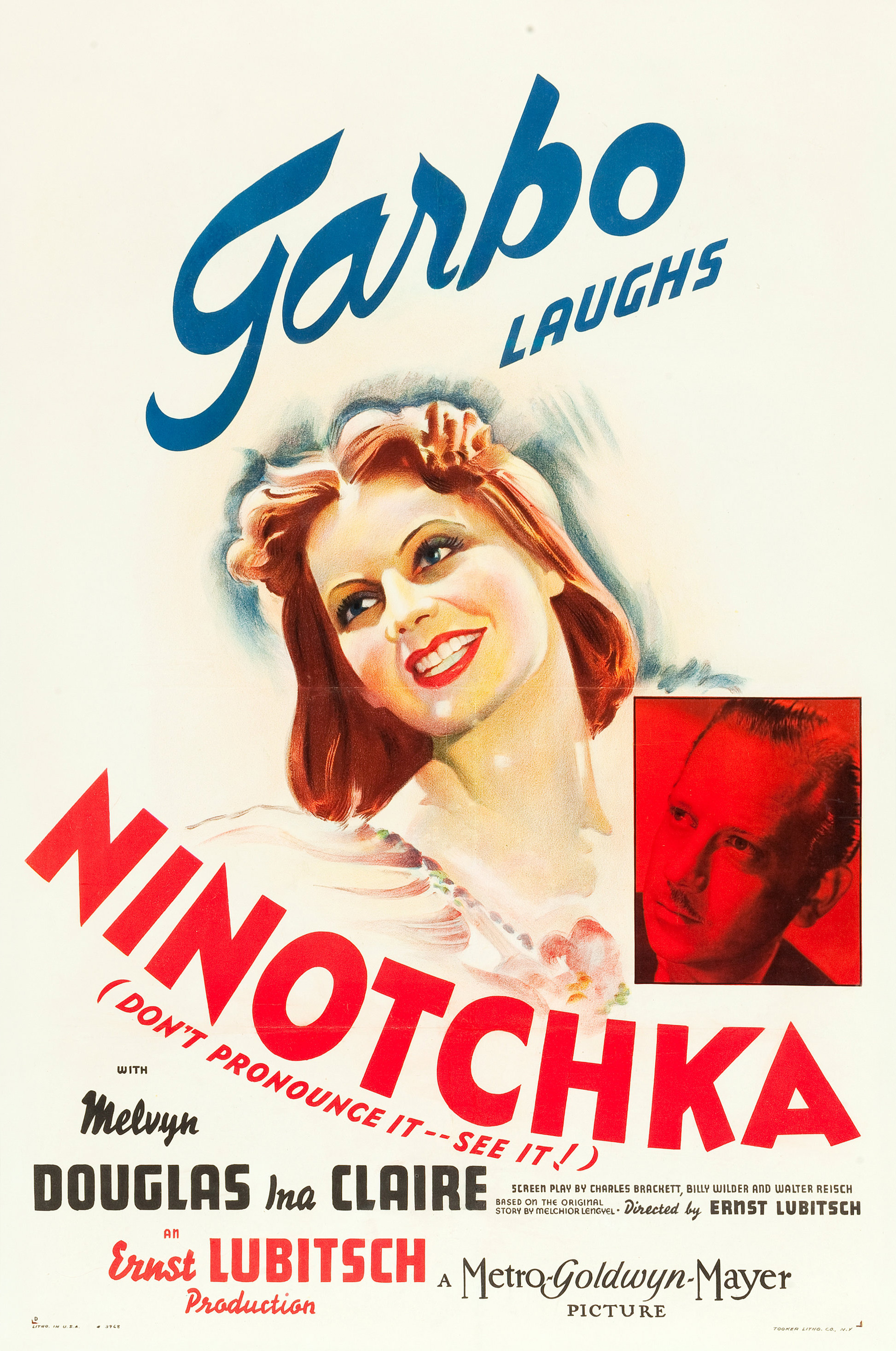
Directed by the impeccable Ernst Lubitsch, Ninotchka (1939) stands as a crowning example of romantic comedy and political satire within the tapestry of cinema history. As a pivotal piece in Lubitsch's oeuvre, this film reflects his signature "Lubitsch touch," weaving together sophisticated humor with pointed social commentary. At a time when Hollywood was grappling with the socio-political implications of the pre-World War II landscape, Ninotchka emerged as a vital work, challenging cultural stereotypes while simultaneously celebrating the art of comedy. In Margaretta Clark, played with luminous charm by Greta Garbo, we find a transformation that becomes both a personal journey and a broader commentary on the clash between rigid ideology and the liberating power of love.
Critical consensus highlights the film's mastery in portraying the cultural clash between Soviet bureaucracy and the free-spirited nature of Parisian life. Garbo's deadpan performance as the severe emissary Ninotchka juxtaposes beautifully against the breezy, romantic backdrop of Paris, creating a dynamic interplay of human emotion and political satire. This contrast showcases not only Garbo's range as an actress but also Lubitsch's ability to craft a narrative where the personal feels profoundly political. Critics have lauded the film for its iridescent dialogue and for capturing the essence of its era, managing to remain relevant and resonant decades later.
Themes of transformation resonate throughout the film as Ninotchka evolves from an embodiment of Soviet rigidity into a figure who embraces love and laughter. This metamorphosis, captured with sophistication and wit, challenges the viewer's preconceptions about individual identity within the broader socio-political milieu. In this context, the film examines the insecurities that often underpin our roles in life, whether as bureaucrats, lovers, or citizens. Lubitsch's direction allows for a seamless blend of styles, where clowning and humor reveal the characters' human vulnerabilities, fostering a sense of empathy that is both refreshing and timeless.
Performance plays a central role in Ninotchka, particularly in Garbo's portrayal, which earned the film a nomination for an Academy Award. Her ability to convey both severity and vulnerability brings depth to the character and resonates with audiences seeking authenticity amidst comedy. Other notable performances enrich the film, creating a vibrant tapestry of interconnected narratives that reflect on love, politics, and the human experience. In presenting Ninotchka’s dynamic journey amidst the sophisticated Parisian environment, Lubitsch achieves a balance that keeps viewers engaged and entertained while prompting them to reflect on larger existential themes.
Ultimately, Ninotchka ties together the essential threads of romantic comedy and political critique, underscoring the film's place as a penultimate creation in Lubitsch's illustrious career. Its blend of humor and heart showcases the director's unparalleled ability to manipulate cinematic language, producing a film that remains influential in both the realms of comedy and social commentary. As audiences continue to discover and re-discover this classic, its sophisticated storytelling and vibrant performances signal the lasting impact of Ninotchka on the landscape of American cinema.