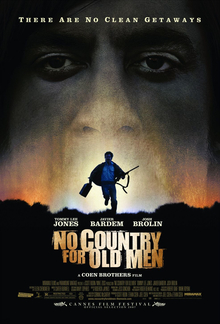
In the realm of contemporary cinema, No Country for Old Men stands as a haunting testament to the Coen Brothers' mastery in weaving narratives that deftly expose the moral fabric of society. Released in 2007, the film has since been pivotal not only in the Oscar race, securing four Academy Awards including Best Picture, but also in solidifying its directors as stalwarts of American cinema. With its striking portrayal of violence and the inexorable nature of fate, the film captures the essence of a shifting American West, confronting the audience with unsettling questions about justice, retribution, and human nature. It showcases the Coens’ ability to create a tense atmosphere filled with chilling moments, leaving an unforgettable impression long after the credits roll.
Critics have consistently applauded No Country for Old Men for its exploration of moral ambiguity within the backdrop of a brutal, carnage-filled landscape. The film eschews clear definitions of good and evil, instead presenting characters that embody a complex interplay of motivations, each navigating a world where choices lead to tragic consequences. The emblematic figure of Anton Chigurh, a chilling representation of implacable evil, serves as a constant reminder of the inherent randomness of fate and the futility of human attempts to control it. Through the senseless violence that permeates the narrative, the film invokes a deep sense of nostalgia for a time when moral clarity seemed more attainable, compelling viewers to question the nature of justice in a world marked by chaos.
Thematically, the film grapples with the notion of fate and destiny, often positioning its characters in circumstances where their pasts collide with an unforgiving present. Sheriff Bell’s reflections on the violence surrounding him and his discomfort with the changing societal landscape reveal a profound melancholy. He embodies the sorrowful realization that the world has evolved into a place where good men seem increasingly powerless against the tide of malevolence and chaos. The film ultimately emphasizes that the brutality of life is not easily reconciled with old-fashioned notions of justice, creating a tension that is as palpable as it is disconcerting.
Cinematographically, No Country for Old Men utilizes a spare yet atmospheric style that mirrors the desolation of its Texas landscape. The Coens, alongside cinematographer Roger Deakins, create an immersive experience infused with moments of haunting silence, which intensify the film’s already tense narrative. The chilling score and deliberate pacing contribute to a sense of impending doom, capturing a relentless atmosphere that is laced with dread. This careful craftsmanship invites viewers not merely to watch but to reflect deeply upon their understanding of morality and consequence.
Overall, No Country for Old Men is a film that deftly encapsulates the Coen Brothers' ability to fuse narrative complexity with philosophical inquiry. Its exploration of themes like violence, fate, and the human condition resonates deeply within the fabric of modern storytelling, offering an unforgettable glimpse into the dark corners of humanity. As such, it will continue to ignite discussions about justice, morality, and the shifting paradigms of an America grappling with its own identity.