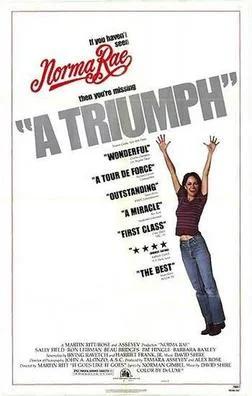
Norma Rae (1979), directed by Martin Ritt, stands tall as a vital piece of American cinema that not only illustrates the struggle for workers' rights but also embodies the spirit of resilience found within the working class. Set against the backdrop of a Southern cotton mill, the film charts the journey of its eponymous heroine, played with impassioned strength by Sally Field. Ritt, known for his keen insight into social issues, carefully weaves together personal narratives with larger political themes, making Norma Rae a poignant commentary on the American labor movement. This film is a significant entry in Ritt's oeuvre, reflecting his penchant for storytelling that emphasizes human relationships while tackling head-on the systemic challenges faced by the underprivileged.
Critics and audiences alike have lauded Norma Rae for its empathetic portrayal of a woman's awakening to the injustices of her working environment. Norma, a tough and relatable character, embodies the spirit of personal empowerment as she transforms from a factory worker into a passionate advocate for unionization. The film's exploration of working-class struggles captures the emotional landscape of its time, resonating deeply with viewers, especially those who have faced similar adversities. The film does not shy away from the harsh realities of labor exploitation but instead offers hope through the strength derived from solidarity and personal conviction.
The narrative thrives on its human-focused storytelling, showcasing not only the challenges of battling authority but also the intricate relationships that are forged in the crucible of activism. The romance between Norma and her union organizer illustrates the complexities of love and dedication, providing an emotional anchor amidst the broader social issues at play. Critics describe the film as sympathetic and vintage liberal in spirit, underscoring its commitment to the protagonist's development in the face of irrevocable economic and social struggles.
Moreover, Norma Rae has been celebrated as a quintessential working-class heroine story. Field’s portrayal encapsulates the raw emotions, gutsy determination, loving resilience, and personal strength. The film remains relevant, reminding audiences of the continuous fight for workers' rights, particularly in times of socio-economic upheaval. Such a narrative not only highlights individual courage but also serves as a rallying cry for collective action, emphasizing the importance of fighting for justice against oppressive systems.
In blending emotional depth with a spotlight on social issues, Norma Rae invites viewers to reflect on their own struggles and the power of unity. It remains a resonant and timeless tale, one that inspires personal empowerment through both individual and collective struggle, reminding us of the enduring spirit found within the human experience.