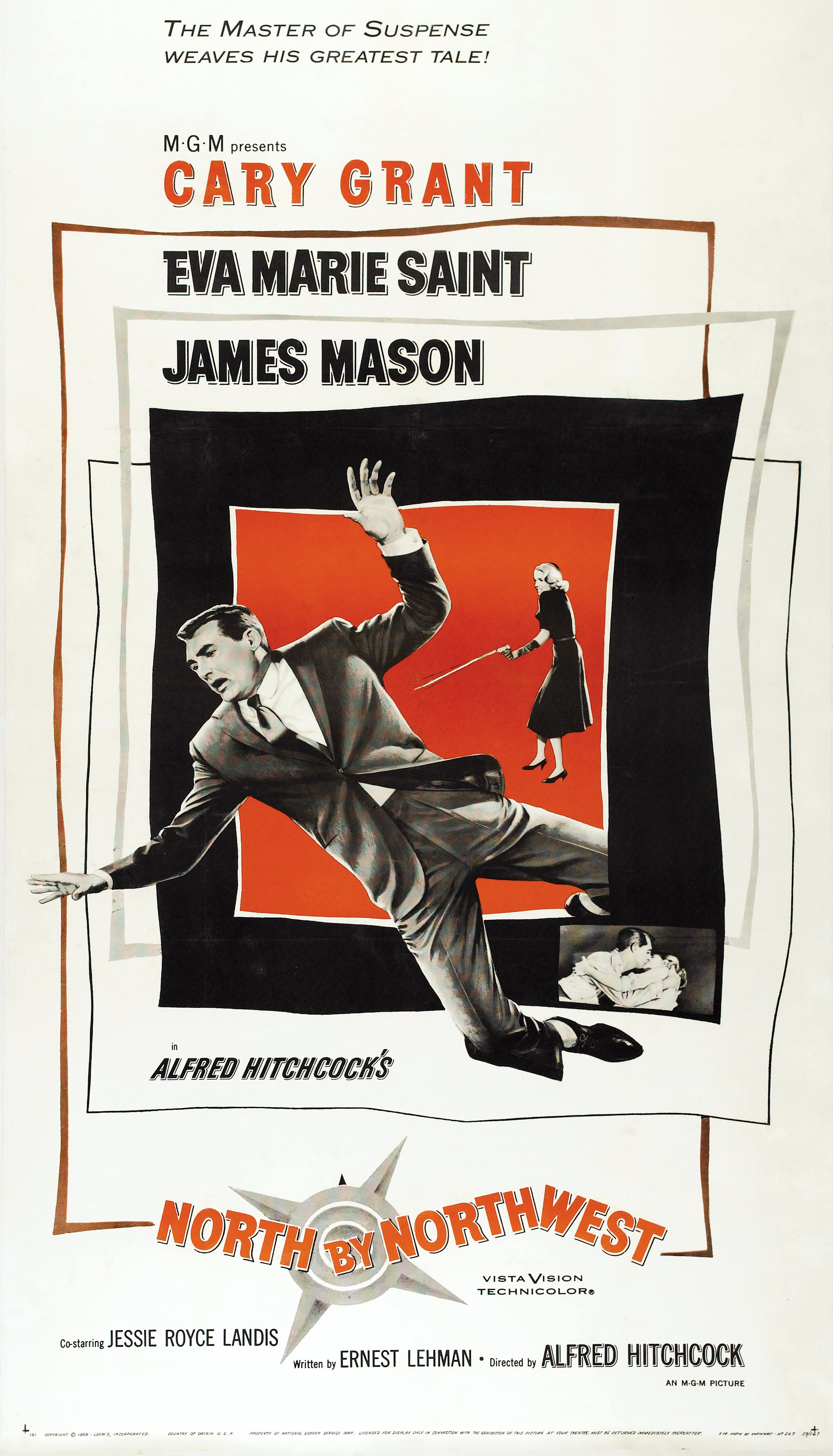
Alfred Hitchcock's North by Northwest stands as an iconic cornerstone in cinematic history, representing the pinnacle of the director's mastery at a point when his blend of suspense and wit reached a new level of sophistication. Released in 1959, this film intertwines elements of action, romance, and comedy within a sophisticated thriller framework that reflects the zeitgeist of the late 1950s. As Hitchcock faced the challenge of maintaining audiences' attention in an era marked by the rise of television, he embraced the potential of the silver screen to create a visually stunning experience, setting the bar for future thrillers and solidifying his reputation as a cinematic genius.
At the heart of North by Northwest lies a classic wronged man narrative, where Roger Thornhill, portrayed with unmistakable charm by Cary Grant, becomes embroiled in a world of espionage due to a case of mistaken identity. The film's exploration of fluid identities resonates deeply, as Roger grapples with his own characterization amidst peril and deception. For Hitchcock, this theme serves not only as a plot engine but also questions the nature of identity itself, forcing viewers to navigate a landscape of shifting allegiances and role reversals.
Critics have lauded North by Northwest for its synthesis of genres, seamlessly weaving together elements of romantic comedy and high-octane suspense. The film's ability to marry thrilling action sequences with witty dialogues exemplifies Hitchcock's adeptness at constructing a narrative that is as entertaining as it is gripping. The film is distinguished by its sublime cinematography and innovative set pieces, particularly the iconic Mount Rushmore climax, which highlight the director's flair for dramatic visual storytelling.
Moreover, the themes of mother love and sadism, subtly coded within the relationships portrayed, add layers of complexity to what might deceptively appear as a straightforward thriller. The tension between romance and danger is palpable as Roger navigates not only the landscape of spies but also his relationship with Eve Kendall, a femme fatale played by Eva Marie Saint. This dynamic evokes a dance of seduction amid suspense, further enhancing the film’s multifaceted nature as a rich tapestry of human experience.
As North by Northwest has been reissued and rediscovered over the decades, it continues to hold a mirror to contemporary anxieties around identity and surveillance, themes that remain eerily relevant. Critics consider it a classic, with shifts in perception revealing its enduring influence on both film noir and the action-adventure genre. Although at times overshadowed by his earlier works, this cinematic excursion remains a quintessential Hitchcockian experience, embodying all that makes his films so compelling, thrilling plots, intricate characterizations, and an unwavering signature style that lingers long after the credits roll.
In conclusion, the film encapsulates Hitchcock's unique ability to blend tension with humor, action with romance, and reality with absurdity. As it stands against the backdrop of his illustrious career, North by Northwest not only remains a testament to his artistic prowess but also to the timeless nature of thrilling storytelling that resonates across generations. In a world where identity can often feel fluid, this film invites us to reflect on the surface and the substance that lies beneath.