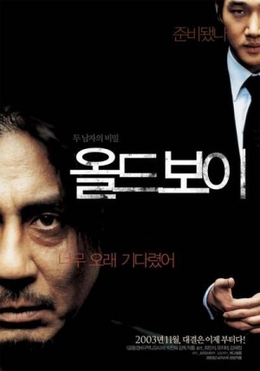
In the landscape of contemporary cinema, Oldboy (2003), directed by Park Chan-wook, stands as a landmark achievement that intertwines brutal violence with intricate storytelling. This film is a cornerstone of the South Korean New Wave, which emerged in the late 1990s and early 2000s, marked by its innovative narrative structures and thematic depth. Park's direction in Oldboy reflects a masterful manipulation of suspense and moral ambiguity, which not only captivates viewers but also challenges their perceptions of revenge and forgiveness. This visceral work has cemented Park's status as a leading voice in global cinema, influencing both filmmakers and audiences with its uncompromising style and haunting imagery.
Critics universally laud Oldboy for its exploration of revenge, violence, and the darker aspects of human nature. The film follows its protagonist, Oh Dae-su, who is inexplicably imprisoned for fifteen years before being released to uncover the reasons behind his abduction. This narrative is a fertile ground for examining the complexities of vengeance; as Oh Dae-su embarks on a quest for retribution, the film exposes the cyclical nature of violence and the potential for self-destruction. The critical consensus underscores the notion that revenge, while initially empowering, can lead to a profound existential crisis, prompting audiences to question the morality of their own desires and actions.
The visual style of Oldboy is another vital aspect that enhances its thematic resonance. Park's aesthetic choices are both stylish and haunting, employing striking cinematography and meticulously choreographed action sequences that linger in the memory long after the credits roll. The famous hallway fight scene, filmed in one continuous shot, epitomizes the film's brutal yet artful approach to violence, blurring the lines between beauty and horror. This style, coupled with a gripping score, creates an immersive experience that encapsulates the film's emotional weight and complexity, inviting audiences to navigate the murky waters of human psychology.
Additionally, Oldboy delves into the themes of sacrifice and redemption, illustrating the toll that vengeance exacts not only on the avenger but also on the innocent. Oh Dae-su's journey leads him to revelations that challenge his understanding of identity and morality, suggesting that true redemption may come at an impossible cost. The film ultimately presents a powerful commentary on the human condition, highlighting the desperate lengths to which individuals will go when driven by desperation and the quest for justice.
In conclusion, Oldboy is not merely a film about revenge; it is a profound exploration of the complexities of human emotions intertwined with existential dread. Park Chan-wook's unflinching portrayal of violence, coupled with his stylistic prowess, creates a haunting narrative that resonates with audiences worldwide. As part of his oeuvre, Oldboy exemplifies Park's ability to confront uncomfortable truths about existence, urging viewers to reflect on their own notions of justice and redemption. In the annals of cinema history, this film remains a towering achievement, challenging the limits of storytelling and the viewer's own moral compass.