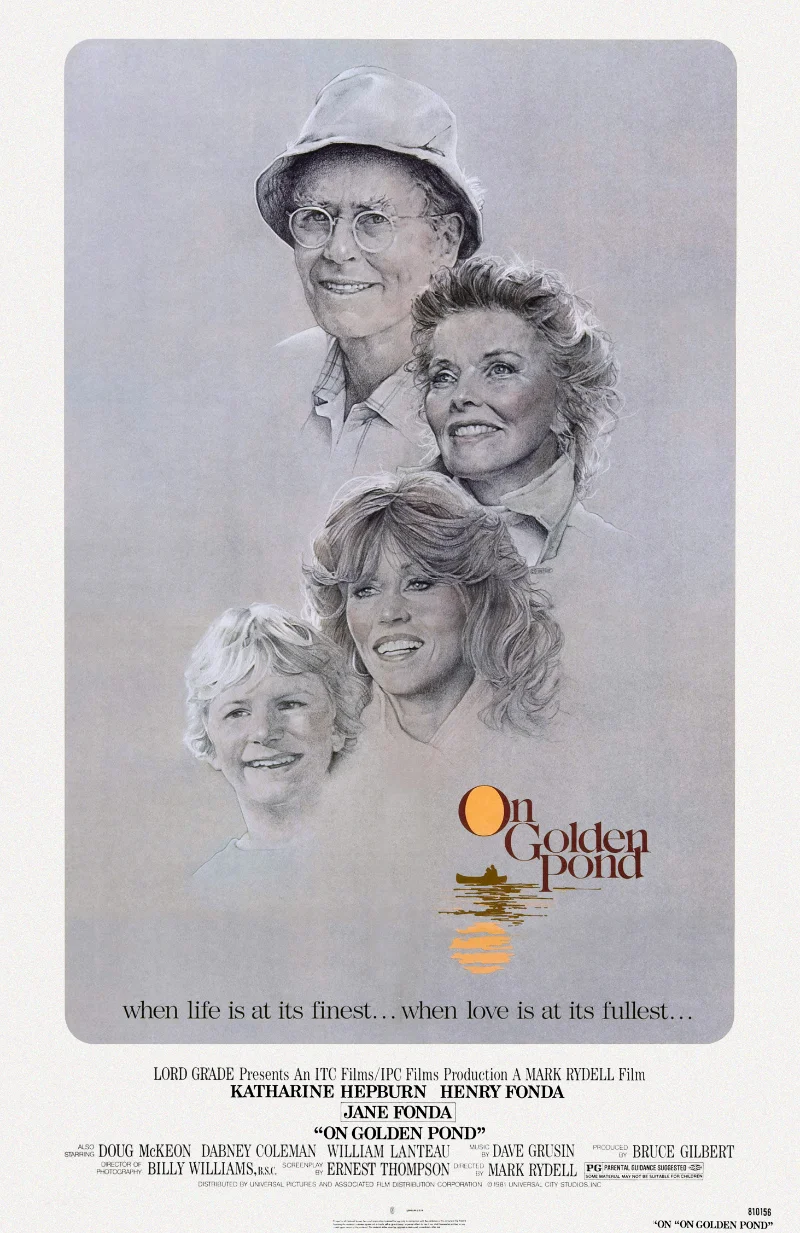
Upon its release in 1981, On Golden Pond, directed by Mark Rydell, emerged as a poignant exploration of aging and family dynamics, beautifully executed in the context of an era increasingly aware of the human aspects of growing old. Rydell, known for his ability to draw out nuanced performances, crafted a film that delves into the complexities of familial relationships within the framework of the later years of life. With an outstanding cast led by screen legends Katharine Hepburn and Henry Fonda, the film resides in the consciousness of American cinema as a deeply moving narrative that captures the bittersweet essence of nostalgia and reconciliation, redefining the depiction of the elderly in film.
The critical consensus has lauded On Golden Pond as a masterclass in understated emotional storytelling. Critics have highlighted the touching performances that resonate with audiences on an intimate level, marking this film as a treasure in its portrayal of the human experience. The unfolding relationship between Ethel and Norman Thayer, played with grace and authenticity by Hepburn and Fonda, embodies the struggles of growing old, coupled with themes of nostalgia, love, and the often fraught nature of family ties. This unhurried pace allows for a reflective observation of life, showcasing how the passage of time brings both challenges and opportunities for reconciliation among loved ones.
The film’s tranquil setting, the idyllic golden pond of the title, serves as both a literal and metaphorical backdrop that accentuates the emotional currents of its characters. What emerges is a deeply affecting portrayal of human vulnerability, with each moment crafted to evoke a rich tapestry of memories and regrets. The overall atmosphere is one of heartfelt warmth, with Hepburn’s effervescent charm complementing Fonda’s more reserved demeanor, thus creating a dynamic that feels both real and relatable. Critics have noted how the film conveys a lesson in growth, as characters learn to bridge the gaps in their relationships, evoking empathy and understanding in the viewer.
On Golden Pond also thrives on its ability to weave humor into its narrative, presenting moments of levity that balance the heavier themes of aging and regret. The film delicately illustrates that humor, alongside heartfelt emotion, is vital as families navigate their interconnected lives, affirming the presence of joy amidst sorrow. Each character feels vividly real and relatable, siblings, their parents, and even the youthful bonds of companionship, their believable interactions steering the film toward a universal resonance.
As we revisit On Golden Pond through the lens of contemporary cinema, its significance remains undiminished. This film invites audiences to reflect on their familial bonds and the inevitable passage of time with a graceful sensitivity that is rarely achieved. The enduring performances, paired with a poignant narrative, secure its place as a cinematic landmark that speaks to generations about the complexities of love, aging, and the reconciliation of the heart.