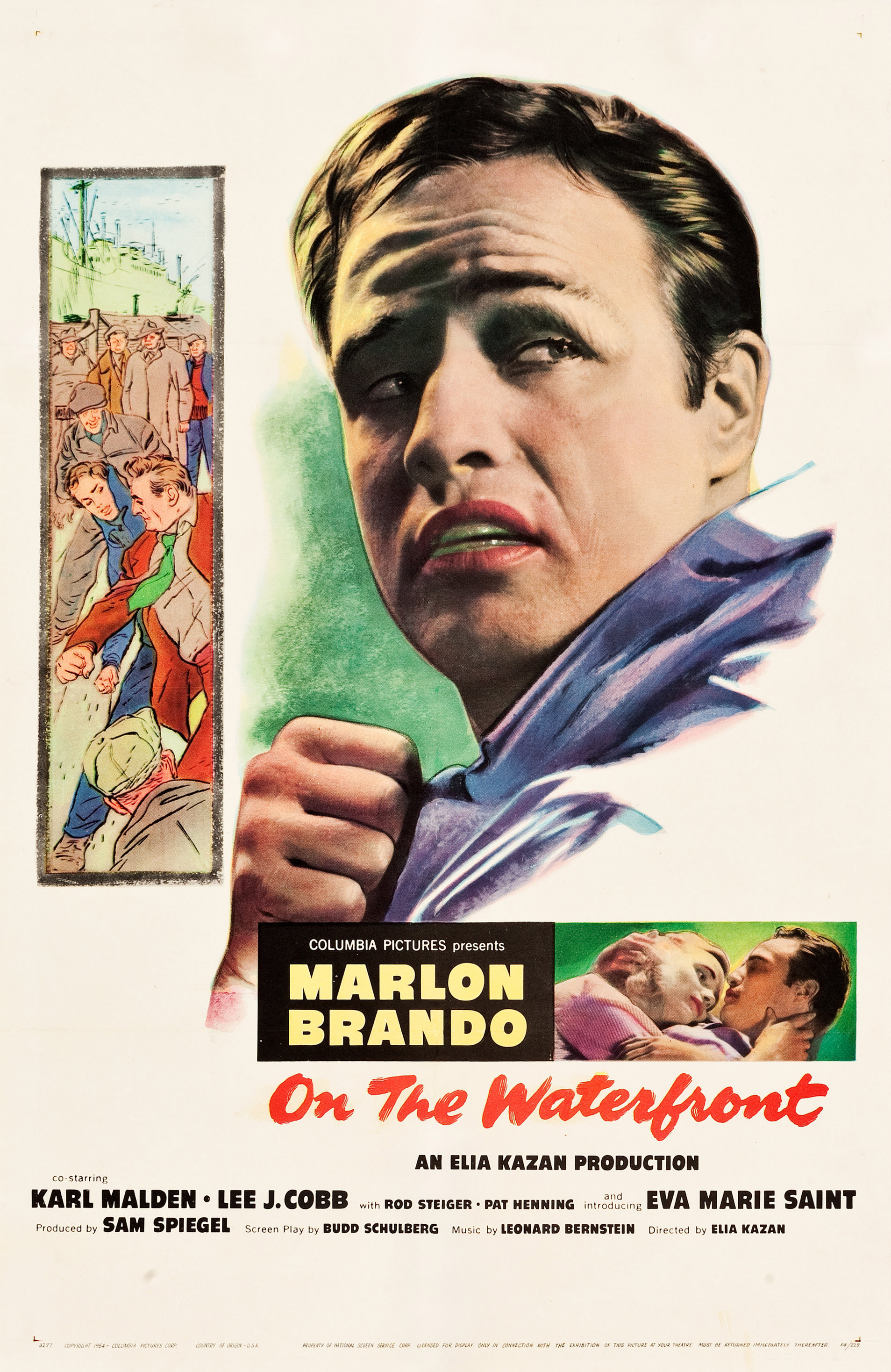
Elia Kazan’s On the Waterfront (1954) stands as a monumental work in American cinema, marking a significant intersection of artistry and social commentary that resonated deeply during its time and continues to do so today. Kazan, known for his ability to draw out powerful performances and tackle contentious topics, channels the raw and brutal realities of the dock worker's plight into a film that serves both as an indictment of labor corruption and a poignant exploration of moral struggle. The backdrop of the New Jersey waterfront not only establishes a vivid world of disenfranchised laborers but also mirrors the broader societal frustrations of post-war America, encapsulating both personal and collective struggles against oppressive systems.
Critically acclaimed for its magnificent performances, most notably by Marlon Brando, On the Waterfront delves into the lives of dock workers ensnared by a corrupt union regime. The film presents a distinct portrait of moral conflict as characters grapple with their complicity in the system and their desire for redemption. The protagonist, Terry Malloy, played with sensitivity and depth by Brando, epitomizes the wounded spirit of those forced to choose between personal loyalty and moral integrity. His journey is one of enlightenment and resistance, where the struggle against corruption becomes a personal confrontation with overwhelming forces of complicity and fear.
Central to the film's narrative is the tension between the pervasive corruption of the docks and the individual’s moral dilemma. Kazan's direction is meticulous, crafting a raw and ferocious atmosphere that captures the struggles of working-class Americans, their disenfranchisement, and their fight for dignity. The cinematography and use of location add to the film's contemporary feel, creating a palpable sense of place that resonates with the audience. Critics have noted the film's subtle details, the weathered faces of the workers, the oppressive presence of the mob, illustrating a world where hope and despair coexist.
The themes of redemption weave through the story in a way that is both nuanced and powerful. As Terry seeks to break free from the shackles of his past, his interactions with other characters, most notably Edie, played by Eva Marie Saint, serves to highlight the possibility of change even within a brutal system. The film ultimately argues for the power of individual choice and moral courage, allowing viewers to reflect on their own ethical standings in the face of societal pressures. In this way, On the Waterfront transcends its historical context to resonate with audiences grappling with contemporary issues of labor rights, corruption, and personal integrity.
In the landscape of Kazan's body of work, On the Waterfront stands out not just as a landmark film of the 1950s but as a compelling piece of art that invokes conversation about the ethical responsibilities of individuals within collective structures. Its impact is characterized by a combination of magnificent storytelling, raw performances, and a deep understanding of human motivation and conflict. As such, it remains a vital reflection on the enduring complexities of justice, redemption, and the quest for a more equitable society.