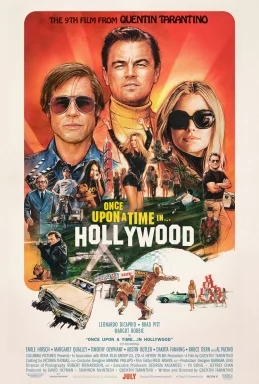
Quentin Tarantino's Once Upon a Time in... Hollywood stands as a poignant reflection on the shifting tides of the film industry, capturing a moment in time that feels both whimsically nostalgic and starkly elegiac. Set against the backdrop of 1969 Los Angeles, the film intertwines the lives of a fading television actor, Rick Dalton, and his steadfast double, Cliff Booth, with the tragic fate of actress Sharon Tate. This ambitious narrative serves not only as a love letter to Hollywood but also as an exploration of the nostalgia that permeates cinematic history, as Tarantino invites audiences to reminisce about an era that was both glamorous and ultimately ephemeral.
The critical consensus around Once Upon a Time in... Hollywood highlights its engaging storytelling and provocative themes. Reviewers have noted how the film delves deep into the lives of aging actors, reflecting their insecurities and the realities of an industry that often casts aside its champions once their glory fades. Through Dalton and Booth, Tarantino crafts a world that is rich with cinematic history yet simultaneously critical of its fleeting nature. The film's portrayal of Hollywood, where dreams are both made and shattered, resonates with viewers, emphasizing the ephemeral nature of fame and the inevitable passage of time.
Moreover, Once Upon a Time in... Hollywood encapsulates a profound nostalgia that permeates the film. Tarantino's meticulous attention to detail recreates the sights and sounds of a bygone era, allowing audiences to bask in a cinematic purity not often found in contemporary films. This dedication to authenticity does not merely serve as an aesthetic choice, but as a commentary on how history shapes the identities of those within it. The film’s immersive quality provokes viewers to reflect on their own memories of cinema, making it a shared experience that resonates on a personal level.
Indeed, the film’s controversial ending flips historical narratives and reignites discussions about the power of storytelling. By weaving fact with fiction, Tarantino challenges the audience to consider the implications of retelling history. The film's blend of nostalgia and provocation engenders a deeper conversation about who gets remembered in the annals of Hollywood and the stories that ultimately define us. In this way, Once Upon a Time in... Hollywood serves as both an homage to the past and a critical examination of what those memories mean for the present.
Ultimately, the film's reception demonstrates that Tarantino has once again managed to create a piece of art that feels both timely and timeless, capturing the essence of an era while engaging with broader themes of identity, legacy, and the cost of fame. Once Upon a Time in... Hollywood stands as a testament to the director's mastery of narrative and his ability to evoke empathy for complex characters navigating the tumultuous landscape of Tinseltown. In this reflective work, he compels viewers not only to remember but to rethink the memories that define the cinematic landscape.