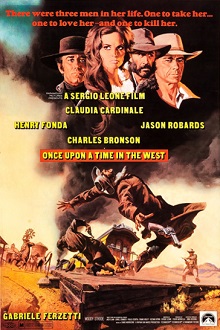
The 1968 film Once Upon a Time in the West, directed by Sergio Leone, stands as a monumental entry in the canon of Western cinema, showcasing the director's ability to blend operatic storytelling with stark realism. This film followed Leone’s groundbreaking Dollars Trilogy, marking a significant departure from the morally ambiguous antiheroes of previous films. Instead of simply focusing on individual adventures or petty criminals, Once Upon a Time in the West examines the broader themes of revenge and capitalism against a backdrop of violence and death, reflecting the changing landscape of American life in the late 19th century.
Central to the film's narrative is the conflict between the old and new west, a theme that Leone masterfully illustrates through its characters and settings. The film depicts the clash of traditional values represented by characters like Harmonica, played by Charles Bronson, and the emerging greed of industrial capitalism embodied by the ruthless tycoon Frank, portrayed by Henry Fonda. This juxtaposition not only creates a rich tapestry of conflict but also provokes thought about the corruption inherent in the expansion of the American frontier, where the promise of prosperity often comes at the cost of violence and moral decay.
Critics have noted the film's grandiose and melodramatic feel, which is enhanced by its striking cinematography and Ennio Morricone's haunting score. The film’s pacing, laden with suspense and moments of intense silence, compels the audience to immerse themselves in its enigmatic world. Leone's signature style, marked by long takes, wide shots, and a careful choreography of violence, produces a mesmerizing viewing experience that transcends typical genre conventions, prompting viewers to reflect on the nature of revenge and the personal toll it exacts.
The characters in Once Upon a Time in the West are not merely archetypes but layered representations of human desires and fears, serving to elevate the narrative beyond conventional storytelling. The Femininity embodied by Jill, played by Claudia Cardinale, contrasts with the brutal masculinity surrounding her, highlighting themes of resilience amidst chaos. The film challenges traditional gender roles, revealing that in such a violent world, survival inherently demands both strength and cunning.
Overall, Once Upon a Time in the West emerges as a grandiloquent meditation on death, greed, and the inevitable decay of the Old West, marking a turning point in Sergio Leone's career as he sought to redefine the genre. Through its potent blend of myth and reality, the film explores how the relentless drive for capitalism ultimately transforms the rugged landscape of human emotion, leaving only emptiness in its wake. Its cultural resonance continues to echo through contemporary cinema, reminding us of the unpredictable and often violent interplay between dreams and disillusionment.