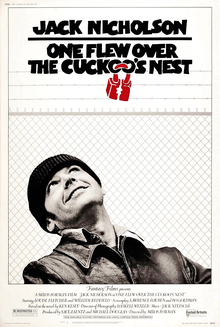
In One Flew Over the Cuckoo's Nest, directed by Miloš Forman, viewers are invited into a harrowing exploration of mental health institutions during the 1970s, a time of burgeoning social awareness and rebellion against authoritative societal structures. Adapted from Ken Kesey's novel, the film serves as a poignant critique of institutional power and conformity, encapsulating a pivotal moment in cinema history as it presents not just a narrative of personal conflict, but also a larger commentary on the human condition. Forman, known for his adept storytelling and unique ability to blend humor with tragedy, creates a powerful platform for these themes to resonate in a way that is both engaging and challenging, firmly entrenching the film as a classic in American cinema.
Critics have noted the film's profound themes of rebellion against authority, with the character of Randle McMurphy, portrayed by Jack Nicholson, embodying the spirit of defiance. His arrival at the psychiatric hospital disrupts the rigid order established by Nurse Ratched, skillfully played by Louise Fletcher, who represents the oppressive force of the institution. This dynamic not only highlights the clash between individuality and conformity, but also underscores the tragic consequences that often accompany such rebellion. Central to the film is the idea that the quest for autonomy and self-identity can lead to both liberation and despair, reflecting a societal struggle that resonates beyond the confines of the mental health field.
Forman’s direction is intense and thought-provoking, engaging the audience in a narrative that confronts the ethics of mental health practices during a controversial era. The film raises critical questions about the nature of sanity and the treatment of individuals who challenge the established norms. By showcasing the impact of institutionalization on the human spirit, One Flew Over the Cuckoo's Nest forces viewers to reflect on their own perceptions of mental illness and authority. The evocative performances and potent screenplay contribute to an experience that is ultimately tragic, leading to a poignant conclusion that lingers in the viewer's mind long after the credits roll.
The critical consensus surrounding One Flew Over the Cuckoo's Nest recognizes its introspective quality, exposing the vulnerabilities of its characters while illuminating the broader implications of their plight. The film serves not only as a narrative of one man's struggle against the system, but also as a mirror reflecting the societal tensions of the time. As McMurphy's rebellion unfolds, audiences witness the profound impact of his actions, not just on fellow patients, but also the institutional landscape itself. This multifaceted examination of rebellion against authority and the consequences of striving for individual expression resonates with audiences, making it a timeless piece that continues to inspire discussions about freedom and conformity.
In stark contrast to the sanitized depictions of mental health facilities often seen in earlier films, One Flew Over the Cuckoo's Nest boldly confronts the harsh realities of such institutions, making it a significant work in Forman's filmography and a touchstone for discussions about personal and social liberation. The film's powerful interplay of emotional highs and lows, combined with its tragic elements, serves to enrich the storytelling beyond mere entertainment, eliciting a profound sense of empathy toward those marginalized by societal constraints. As we revisit this cinematic masterpiece, its relevance remains undiminished, continuing to inspire dialogue about authority, mental health, and the enduring quest for personal freedom.